
Article originally published in Fishing in Godzone magazine, December 2025.
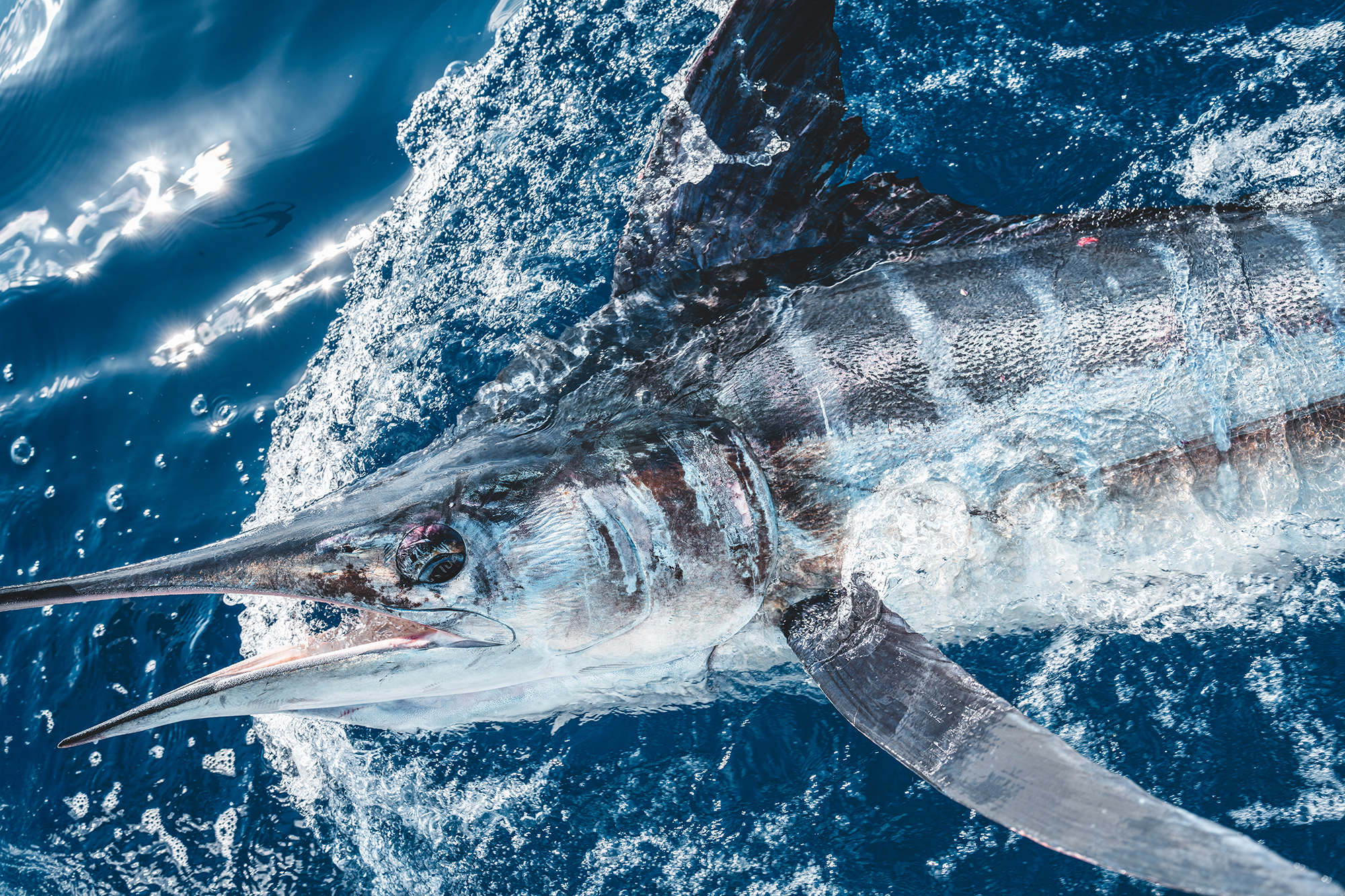
It’s fair to say that a good percentage of Kiwi fishers are obsessed with marlin. This magnificent species has long been part of our coastal identity. So much so it’s hard to miss the marlin emblems displayed on logos, T-shirts and signs across Northland, Coromandel and Bay of Plenty. Also in recent years they are being caught in many other regions including off the South Island.
We are proud that marlin has remained solely a non-commercial species since the 1990s, belonging to the people. Decades of hard work from the New Zealand Sport Fishing Council and recreational organisations have kept it this way.
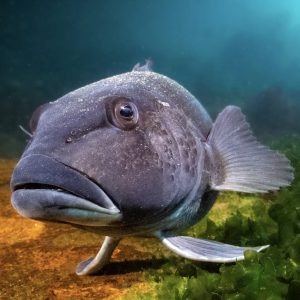
Despite the significance of marlin to recreational fishers, the government has now proposed a pathway to commercialise marlin. The proposal would allow commercial fishers to keep and sell dead marlin, as well as 19 vulnerable reef fish species including red moki and boarfish.
The Luxon-led government has handed Oceans and Fisheries Minister Shane Jones a free pass to “remove redundant regulations” at the request of the commercial industry. Public interests and the health of the marine environment are on the backburner.
Before consultation on these proposals closed in late November, LegaSea and the New Zealand Sport Fishing Council made a comprehensive submission opposing any attempts to commercialise our marlin and reef fish. More than 22,000 Kiwi’s including recreational fishers, some commercial fishers and people who care, joined us in saying no to commercialisation. There are good reasons to say no, because it would open the door to increased commercial catches.
The value of marlin
New Zealand is internationally recognised for some of the biggest striped marlin. Every year, people travel from all over the world to tag, release or pursue a lifelong dream of landing these extraordinary fish.
Recent science suggests that striped marlin populations are low and still considered to be overfished, but slowly recovering from heavy industrial fishing pressure in previous decades.
In the late 1980’s Northland angling clubs were quick to raise serious concerns about the impact that fishing pressure from foreign fishing fleets were having on our marlin fishery.
Their concerns led the Minister of Fisheries to ban commercial marlin landings in the Auckland Fisheries Management Area. But there was a catch. Recreational fishers had to commit to tagging and releasing 50 percent of the marlin catch for research and conservation purposes. And that we did.
The ban later evolved into a formal Memorandum of Understanding between commercial recreational representatives. Through genuine collaboration, all parties agreed marlin was to remain a non-commercial fishery. In 1991, the regulation prohibiting commercial fishers from keeping and selling marlin was born.
Today, marlin fishing generates significant income for small coastal communities. A 2016 study by the New Zealand Marine Research Foundation estimated more than $660 million a year in direct marine-fishing expenditure by resident and visiting recreational fishers in the upper North Island alone.
Coastal towns rely on attracting fishers and organising events around an abundant, non-commercial fishery to help pay the bills. Marlin is a major attraction.
The National Fisheries Plan for Highly Migratory Species commits Fisheries NZ to “Maintain and enhance world class game fisheries in the New Zealand fisheries waters”. It’s time for officials to uphold their end of the bargain instead of succumbing to industry pressures.
The beginning of the end?
As the export price for tuna continues to decline, the pressure from industry to recuperate these costs grows. So it’s no surprise they’re now coming after our marlin to make a quick buck.
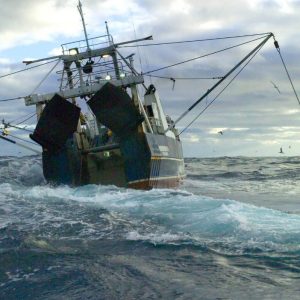
Currently, marlin are caught as bycatch in the commercial tuna longline fishery and by law have to be released. If a financial incentive is attached to dead marlin, it’s likely to incentivise some commercial fishers to shift behaviours to target and increase catches of these species.
Because marlin are not in the Quota Management System (we hope it stays that way) there are no measures in place to limit the number of dead marlin commercial fishers can land. If regulations are weakened, the fishery is not safeguarded from exploitation.
Industry argues that they ought to be able to land marlin that are dead because it would reduce wastage. This narrative is a smokescreen to create a new revenue stream from a public fishery.
We’ve seen the consequences of removing similar regulations protecting broadbill. In the 1990s the government allowed the commercial sale of broadbill swordfish caught as ‘bycatch’ only. Shortly after, commercial catches skyrocketed, broadbill became a profitable target species and was eventually included in the Quota Management System in 2004.
We are concerned that a similar outcome could apply to striped marlin. Will commercial longlining practices change to ensure more striped marlin are caught with an increase in the number that arrive on the boat dead?
The power of people
If there’s one upside to this ludicrous proposal, it’s the recreational fishing community coming together, speaking out and pushing back.
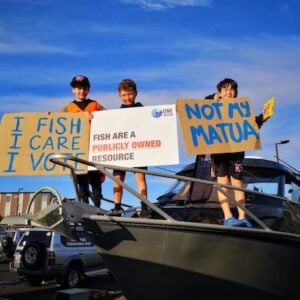
On 22 November, more than 1000 people, young and old, swapped the boat ramp for the Auckland harbour bridge, joining the One Ocean Protest with their boats, trailers and jet skis in tow. Together opposing the creeping privatisation of our fisheries.
Signs were held high with slogans such as “Fish for the people”, “Hands off our Marlin”, and “I Fish. I Care. I Vote”.
It’s vital that we continue to participate in public consultation processes concerning our fisheries. The government is obliged to hear what we have to say whether they like it or not.
In 2013, government officials raised the prospect of commercialising marlin, starting with a limited amount of quota. Following unprecedented public opposition at the time the Minister quickly cut the line on pursuing it any further. History shows that when enough of us speak up, we can stop these proposals dead in the water.
Here’s hoping that the government will see the value of keeping marlin, one of the few non-commercial only fisheries and recognise that some treasures are too important to be sold.