
Article originally published in Fishing in Godzone magazine, January 2026.
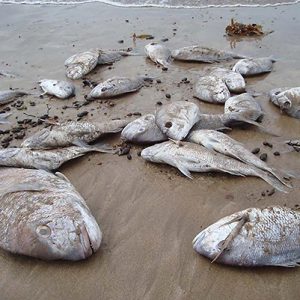
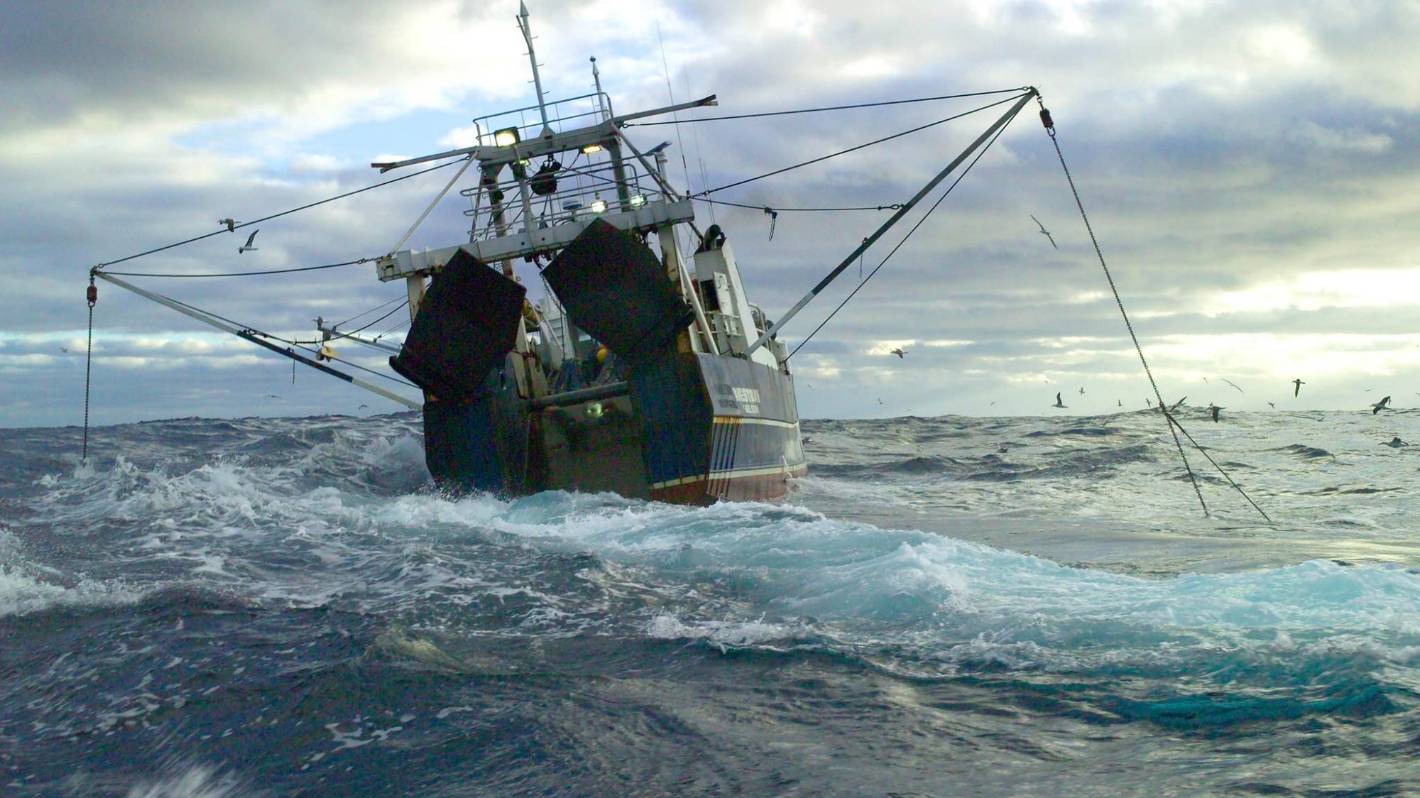
A new video has emerged showing the same disturbing scene we’ve seen before, of hundreds of lifeless snapper drifting in the sea. These mass mortalities are no accident, they are likely a result of a bottom trawler dumping unwanted catch overboard.
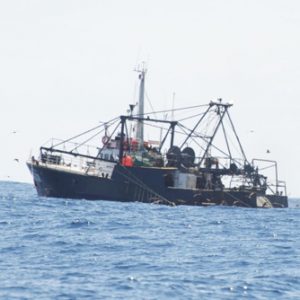
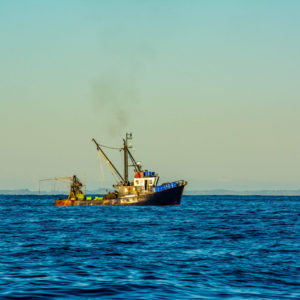
What’s happening beneath the surface is just as alarming. Year after year, heavily weighted nets are dragged across the seafloor crushing marine life, destroying important habitats and creating sizable waste. Bottom trawling is now recognised as one of the three highest ranking man-made threats to New Zealand marine habitats.
Despite this, bottom trawling remains the dominant way we commercially harvest fish. In the 2023–24 fishing year, 69 percent of all fish caught commercially in New Zealand were caught by trawlers.
In 1901, The New Zealand Times published a warning about the impacts of bottom trawling and called on the government to intervene. More than 125 years later we are still having the same conversations, with little meaningful intervention.
Worse still, the government is proposing changes that would further entrench bottom trawling as business as usual, allowing more dead fish to be dumped and wasted at sea.
If we are serious about restoring our coastal fisheries, we must transition away from bottom trawling, for the benefit of our oceans, our communities and future generations.
What’s so bad about bottom trawling?
If you’re a seasoned salty seadog it shouldn’t come as a surprise that habitat availability, water quality and the abundance and diversity of marine life has declined in various areas across the country. These elements determine what scientists call the ‘productivity’ of an ecosystem, its ability to sustain life.
Bottom trawling has a well-documented and significant impact on this productivity. Heavy gear dragged across the seafloor flattens and destroys habitats.
The seafloor, known as the benthic environment, acts as a life-support system for the marine ecosystem. When it’s damaged, fish and marine life move elsewhere.
Recent research also shows that trawling degrades important habitats that would otherwise act as natural refuges, helping marine life withstand warming waters and extreme weather events. Trawling weakens the ecosystem’s natural resilience against the impacts of climate change.
As many of us have seen online or while out on the water this summer, bottom trawling creates excessive waste. It is an indiscriminate fishing method, catching non-target species and even protected wildlife.
The deep fried fish you enjoy from your local fish and chip shop was most likely caught by a bottom trawler, unless it’s stated otherwise. Snapper, gurnard, tarakihi and John dory are some of the most common coastal fish species hauled up in trawl nets.
The people’s opinion
You don’t need to be an expert to understand what’s wrong with bottom trawling. Little good can be expected from destroying the marine environment that gives so much to us.
Given how deeply we value our oceans, it’s no surprise that there is a widespread public distaste for bottom trawling – 84 percent of people living around the Hauraki Gulf want bottom trawling banned, according to Horizon Research.
New Zealanders are clear about what they’re against and what they want instead.
A recent Horizon Research poll found that 75 percent of New Zealanders support the government developing a plan to transition away from bottom trawling in favour of more low-impact fishing methods.
One such alternative is long-lining. It is a more selective, less damaging fishing technique that delivers higher quality fish, caught without being crushed at the end of a trawl net.
All the evidence, but no change
The science is clear. Public opposition is strong. Viable alternatives exist. That should be enough evidence for the government to push the industry to transition away from bottom trawling.
So what’s stopping meaningful transition? A small group of quota owners have captured government decision-making, influencing the science process, and official advice to Ministers and ultimately the government. Consequently, there is no meaningful change that will benefit the health of our moana and Kiwis’ ability to go out and catch a feed.
Fish is where politics and money collide.
The commercial fishing industry has convinced the current Minister for Oceans and Fisheries, Shane Jones to proceed with drafting changes to the Fisheries Act that entrench the status quo. This would mean more trawling, more dead fish, and no respite for our marine environment.
Ironically, the industry will be the cause of its own undoing if we continue on this current trajectory as there will be nothing worth catching.
The opportunity is now
While the government remains asleep at the wheel, the Waikato Regional Council has taken a bold step to restrict bottom trawling, Danish seining and scallop dredging along parts of the east coast of the Coromandel.
We acknowledge that this is a small part of New Zealand’s total coastline, but we’ve got to start somewhere and set the precedent for how the remainder of our marine environment needs to be treated and respected.
The Council’s experts agreed that mobile, bottom-contact fishing methods have significant adverse effects on marine biodiversity. Yet, instead of national government leadership, it’s the locals doing the heavy lifting.
When the central government won’t act, communities will – because they care.
Unsurprisingly, several commercial fishing entities have appealed the Council’s decision, delaying implementation of these restrictions.
LegaSea and the New Zealand Sport Fishing Council will continue to support the Waikato Regional Council’s decision and advocate for the removal of bottom trawling across the entirety of New Zealand’s coastline.
Now is the opportunity for the government to support a transition away from bottom trawling towards more selective, less damaging methods. This transition would be in the best interests of the marine environment, the public, and the future of the commercial fishing industry.
We cannot trawl our way to an abundant fishery. But are our politicians bold enough to take the necessary steps towards restoring abundance and biodiversity in our moana? Only time will tell.
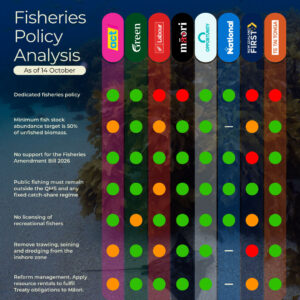
Subscribe to receive our LegaSea online newsletters to keep up to date with which political parties are willing to put the interests of a healthy fishery and the public before profits.
Resources: