
Article originally published in Mahurangi Matters, January 2026.
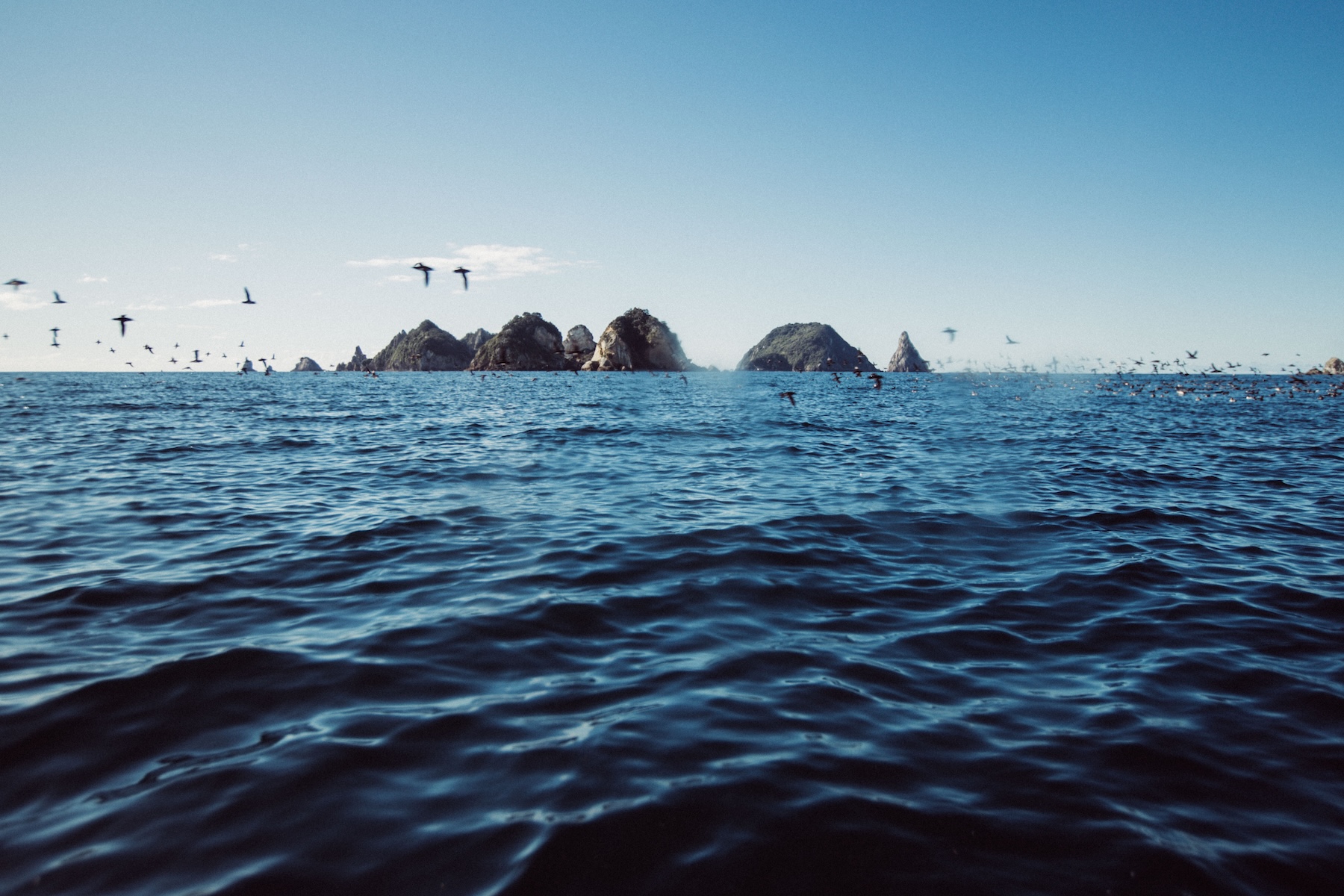
It’s no secret that the Hauraki Gulf is a unique place. So special, in fact, that more than 25 years ago it was given the status of New Zealand’s first Marine Park and acquired its own protective legislation.
The legislation is clear. The purpose of the Hauraki Gulf Marine Park is to “sustain the life-supporting capacity of the soil, air, water, and ecosystems of the Gulf”.
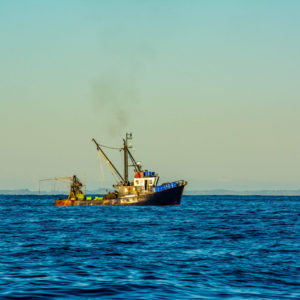
If this legislation was given full effect we could expect the Marine Park to resemble the Garden of Eden, abundant and teeming with fish and marine life. Instead, it’s a wasteland where bottom trawlers continue to damage the seafloor and undermine the very values the Marine Park was created to protect.
Since given Marine Park status the health of the Gulf has continued to deteriorate. Successive State of the Gulf reports show ongoing declines in habitat availability, water quality and abundance of marine life. These elements determine what scientists call the ‘productivity’ of an ecosystem, its ability to sustain life.
Bottom trawling has a well-documented and significant impact on this productivity, heavy gear dragged across the seafloor flattens and destroys habitats. The seafloor, known as the benthic environment, acts as a life-support system for the marine ecosystem. When it’s damaged, fish and marine life move elsewhere.
If that wasn’t reason enough to transition away from bottom trawling, recent research shows trawling weakens important habitats that would otherwise act as natural refuges, helping marine life withstand warming waters and extreme weather events. Trawling strips ecosystems of their natural resilience against the impacts of climate change.
While we can’t control the weather, government officials can control which fishing methods are allowed.
In 1901, The New Zealand Times published a warning about the impacts of bottom trawling and called on the government to intervene. More than 125 years later we are still having the same conversations, with little meaningful interventions.
The recent creation of five small Seafloor Protection Areas and a dozen High Protection Areas may sound positive, but it will do little to curb trawling overall. Many of these newly protected areas were rarely trawled anyway, meaning fishing effort remains largely unchanged.
The Legislation makes it clear that the entire Marine Park, extending from Te Arai in Bream Bay down around the Coromandel to Waihi Beach, is all equally important. If that’s the case, then destructive fishing methods such as trawling should not be acceptable anywhere within the Marine Park, not just excluded from small pockets.
Now is the opportunity for the government to support a transition away from bottom trawling towards more selective, less damaging methods such as long-lining. This transition would be in the best interests of the marine environment and the public. And the future of the commercial fishing industry, Lee Fish is a local example of successful transitioning.
We are on stand-by for government officials to listen to the people and the science. There’s an obvious opportunity to transition, but are we bold enough to grab this chance to restore the lifeforce of the Gulf?