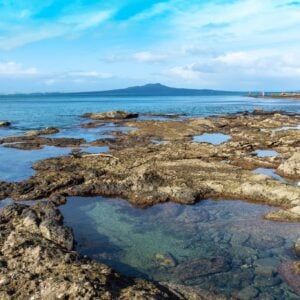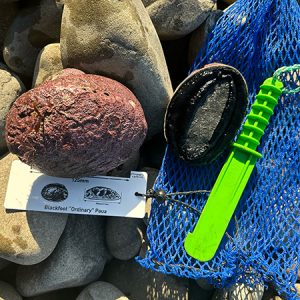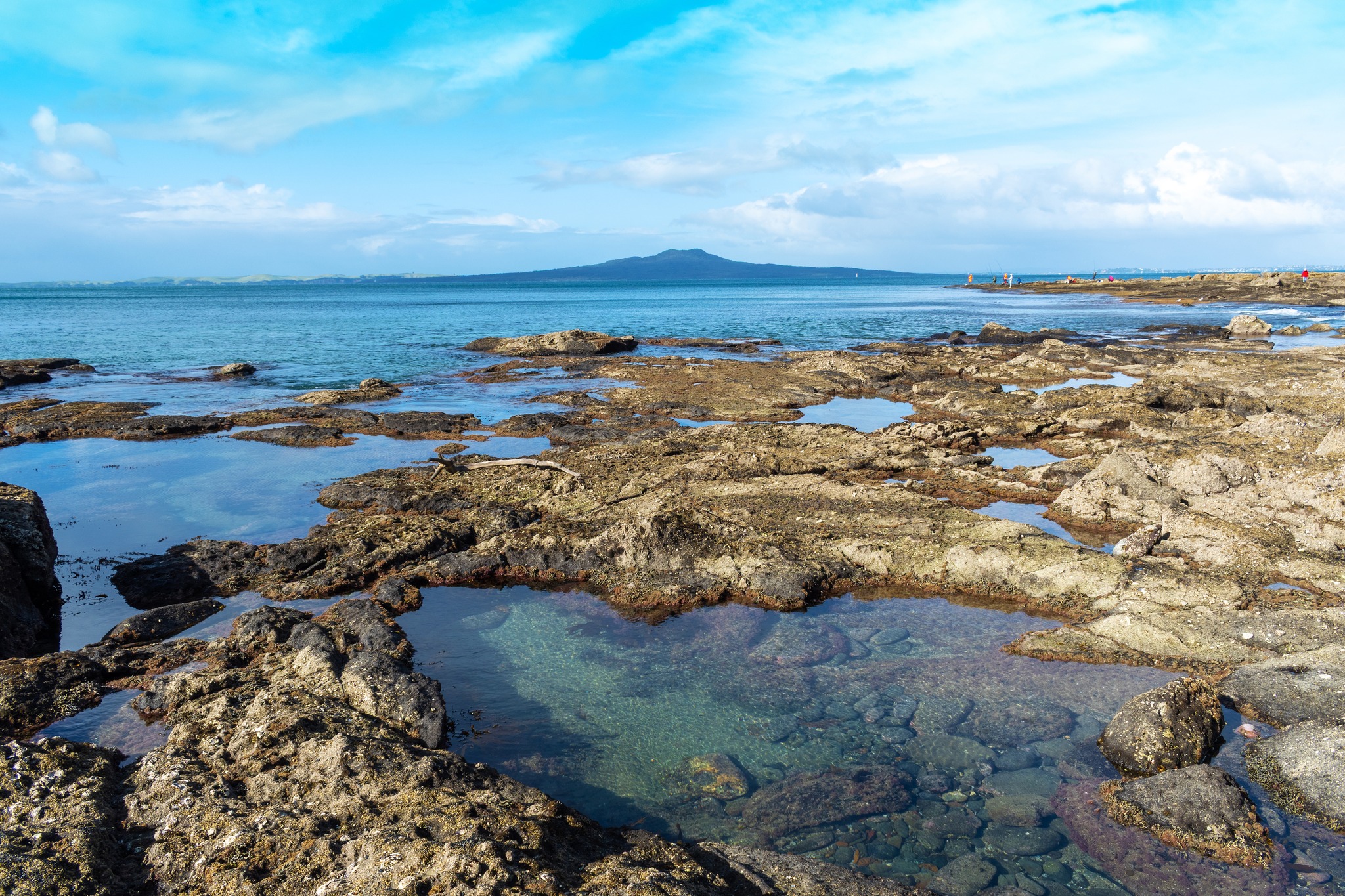

Being able to step out the door with a bucket and gather pipis used to be one of the simple joys of living near the coast. For many of us around the Hauraki Gulf, that experience is now a distant memory.
The abundance of critters within our rocky intertidal zones have been steadily declining, largely due to overharvesting of species not adequately protected under current regulations. The rules are outdated and the law hasn’t kept pace with changing harvesting habits.
Recently, the Minister for Oceans and Fisheries approved Ngāti Manuhiri’s application for a 2-year temporary closure on harvesting seaweed, shellfish, molluscs, and other invertebrate species within Omaha Bay, Kaway Bay and Whangaparāoa Peninsula.
But this is not an isolated issue. Within the Hauraki Gulf Marine Park there are currently more than ten closures in place, prohibiting the recreational harvest of some of our favourite intertidal species.
Closures signal a failure of adequate management.
We commend coastal communities and mana whenua for stepping up. However closures are reactive solutions. If we want abundance restored back into our rockpools, closures must be supplemented with meaningful long-term regulatory changes.
Local communities have had enough of witnessing depletion.
In January, the Protect Whangaparāoa Rockpools group held a peaceful protest at Army Bay. It was a strong response by the community protesting the lack of any meaningful management, regulation or leadership around how we behave in the intertidal zone.
But these concerns aren’t new. For decades coastal communities, LegaSea and the New Zealand Sport Fishing Council have raised concerns about the mounting pressure on our intertidal fisheries. Increasing harvesting pressure during a cost of living crisis, population growth, and environmental stressors are all factors that have contributed to the decline of these fragile ecosystems.
The intertidal area is largely a non-commercial fishing zone so it doesn’t receive the same monitoring, management or attention as more valuable commercial fisheries. A lack of investment in science, monitoring, and enforcement means the creeping depletion has occurred largely unchecked.
In 2017 LegaSea worked alongside mana whenua, commercial and recreational fishing interests, and environmental organisations to help shape Sea Change – Tai Timu Tai Pari, a bold plan aimed at restoring the health of the Hauraki Gulf Marine Park.
One of the Plan’s objectives was Ahu Moana, a management tool designed to empower mana whenua and local communities to make specific, local based decisions around their vulnerable intertidal zones. Responsive management to avoid ongoing depletion.
Yet nine years on, little has been done to deliver what was promised. In the face of continued inaction, iwi and community members have had to rely on the limited tools available to them. Applying for two-year temporary closures to harvesting in areas under increasing pressure is one of the few options available.
While the closures may ease the pressure of fishing locally, this just shifts the effort as fishers move onto the next available area to catch their bag limit. Until meaningful, long term management measures are implemented to address the depletion of vulnerable species, we will continue to see closures used as a band-aid solution.
Fisheries NZ must step up and deliver the tools needed to protect our precious intertidal species so our future generations can enjoy the wonders of a coastline teeming with abundance.
Resources: