
Article originally published in Fishing in Godzone magazine, June 2026.
Fisheries New Zealand is proposing major new restrictions on recreational harvesting of shellfish and invertebrates along Auckland’s east and west coast and the Coromandel coastline.
If implemented, the closures will affect our ability to gather kaimoana such as cockles, kina and pāua from rocky shores and tidal areas from Muriwai and Piha out west, and Te Arai Point, Leigh to Waihi Beach.
The proposals come in response to growing concern about the depletion of intertidal species in easily accessible coastal areas. Reports of barren rock pools, depleted shellfish beds and declining marine life have become increasingly common.
However, until Fisheries New Zealand tackles overfishing, manages localised depletion, and works alongside councils to limit land run-off, closures will remain what they are today: a symptom of a broken system, not a solution to it.
Background
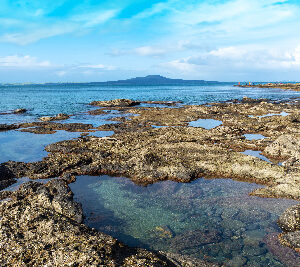
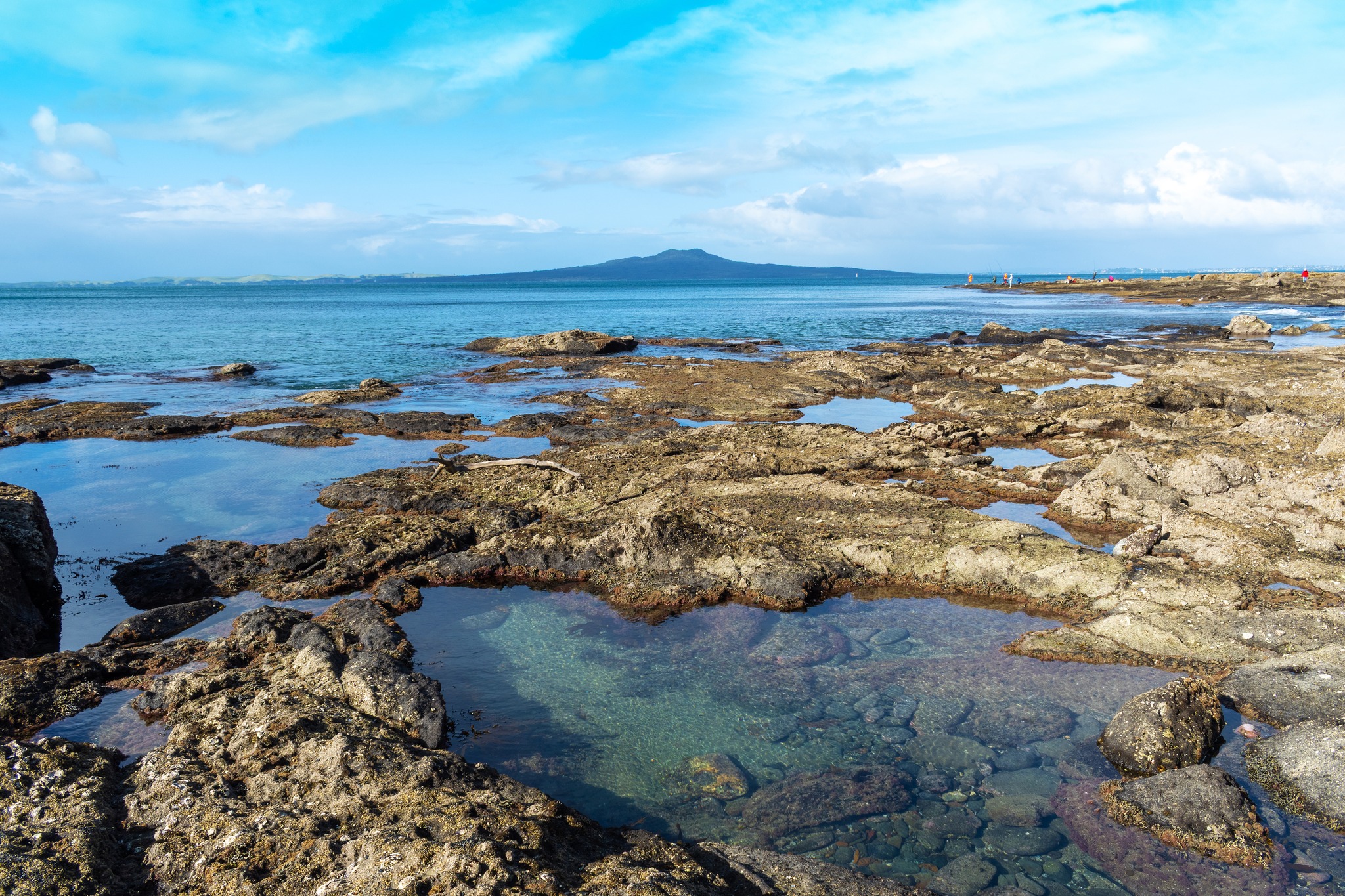
Images of barren, lifeless rock pools stripped bare of intertidal critters have flooded social media in recent years.
Our intertidal coastline is under growing pressure, and we can no longer ignore the damage. Local communities have genuine concerns about the ongoing depletion of rocky shore species such as limpets, cat’s eyes, whelks, and periwinkles.
Our children should be exploring rock pools teeming with life, not empty stretches of coastline where once abundant species have disappeared.
Excessive shellfish harvesting at accessible east coast areas during low tide is a serious issue, but it’s not new.
LegaSea and the New Zealand Sport Fishing Council have consistently raised concerns about the declining health of the Hauraki Gulf and our wider intertidal ecosystems and called for stronger protections for these vulnerable coastal areas. We’ve actively supported community and iwi/hapū driven area closures when the evidence supports that such drastic measures are required.
Since the Sea Change planning process in 2016, we have supported targeted closures of easily accessible low-tide coastal areas that are under pressure.
For decades, the warning signs have been ignored. What we see today is the result of years of cumulative pressure and neglect.
Poor water quality, land-based run-off, and warming temperatures are also contributing to the decline in abundance.
Ongoing monitoring by local councils have highlighted the devastating effects of sedimentation, extreme weather events and warming temperatures have had on species such as cockles, green-lipped mussels, sea snails and limpets.
As biodiversity declines, ecosystems become less resilient and less able to withstand additional pressures.
Action is overdue.
Our concerns
Fisheries NZ has put forward several options ranging in intensity, from reduced recreational bag limits for shellfish and invertebrates through to partial and full closures of intertidal harvesting areas.
We welcome efforts to address the depletion and excessive harvesting of rockpool species such as whelks, catseye and limpets. However, we have serious concerns about the broad scope of the proposals and the blanket approach in treating east and west coasts the same.
The proposed measures would ban recreational harvest of a wide range of invertebrate and shellfish species, including squid and rock lobster.
Squid aren’t known to be under any harvesting pressure, and rock lobster management is already being addressed through separate in-depth fisheries processes and tools alongside expert fisheries scientists.
The proposed closure boundary would extend 200 metres offshore and cover Auckland east coast beaches, Waiheke Island, Coromandel coastline and parts of the west coast, including Piha and Muriwai.
The reason for the extensive closure is to try to prevent fishing effort from shifting from one area to another.
The west coast is a vastly different environment. Some of the shoreline is difficult to access on foot and does not experience the same intensity of harvesting pressure seen in sheltered east coast locations. Applying the same harvest restrictions on both coasts may be unnecessary.
Poor water quality, land-based run-off, and warming temperatures are also contributing to the decline in abundance. If we want our rockpools to recover and teem with abundance again, then land-based action is also required to protect vulnerable intertidal species in low-tide areas.
Given Fisheries NZ’s limited resources, any closure must be targeted specifically to low-tide coastal areas and marine life under pressure. And, any closure must be regularly monitored and reviewed using the best available data to ensure it’s delivering meaningful improvements to restoring abundance.
A symptom of a bigger problem
These proposals are just the latest in a growing list of more than 10 applications lodged in 2026 to close sections of New Zealand’s coastline in response to depletion. They include temporary closures, mātaitai reserves and long-term closures under Section 11 of the Fisheries Act.
Closing parts of our coastline is not something to celebrate. Closures are a symptom of management failure.
Closures aren’t a solution to mismanagement.
For a nation surrounded by ocean and diverse coastline, it’s a blight on us all that our ability to gather kaimoana is steadily shrinking.
If we want future generations to enjoy abundant coastlines, we must address the root causes of depletion, not just the symptoms. That means reducing overall fishing pressure, rebuilding local abundance before stocks become depleted, and tackling the sediment and land-based run-off that continues to degrade our coastal habitats.
LegaSea and the New Zealand Sport Fishing Council worked with locals to develop a comprehensive submission that supports differentiating east from west and inshore from offshore environments.
Read our submission here.
Our aim is for coastlines so healthy and abundant that closures become the exception, not the norm.