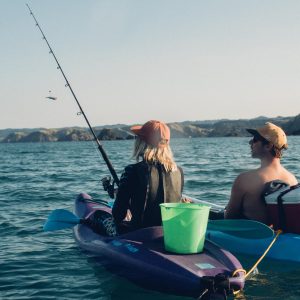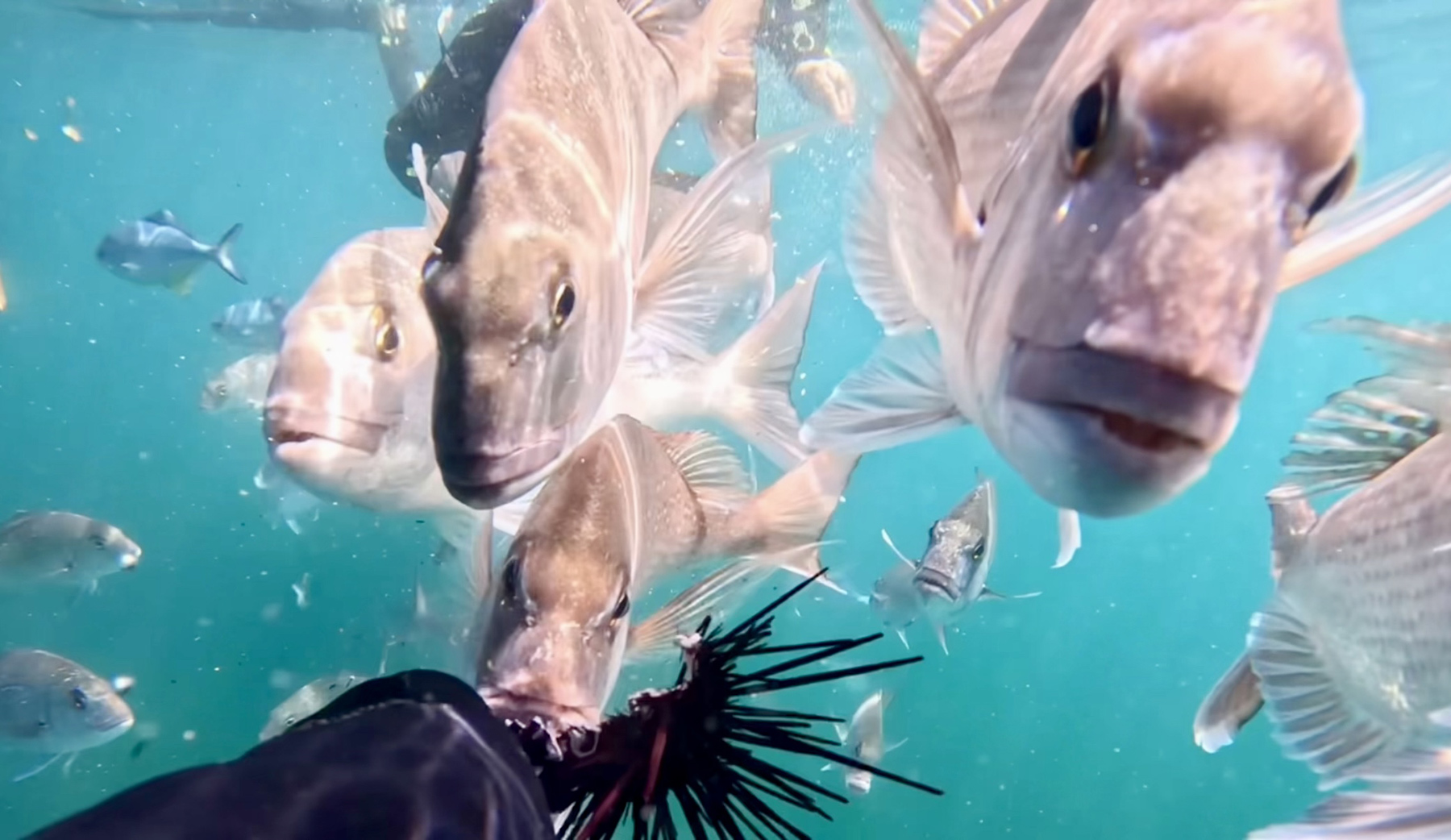

A recent report estimating that around 250 tonnes of snapper die annually when discarded by recreational fishers in northern waters has renewed calls for improved monitoring of recreational catch.
Fisheries New Zealand (FNZ) published a report estimating release mortality due to recreational fishing in July 2026. A large proportion of released-fish mortality in the report came from the Hauraki Gulf, around 23% of the total by weight. During the research, charter boat operators and public participants noted an unusually high proportion of undersize and small snapper.
Snapper Research
To quantify release mortality, researchers had to catch the fish, transport and release them into holding nets, in batches. The fish that floated on release all died. The FNZ report notes that ordinarily, recreational fishers reduce the chances of a floating fish by a quick release, or venting air if the stomach is bloating from the snapper’s mouth. So in real terms, the 250 tonnes would be at the upper level of mortality in a normal fishing year.
More research into recreational harvest is welcomed by commercial and recreational interests. However, the most recent 12-month recreational harvest survey was conducted in 2022-23, with boat ramp surveys also collecting data. Surveys are typically only conducted every six or seven years due to funding constraints.
Allowing For Mortality
Questions have been raised about how significant this 250 tonne discard mortality figure is in the context of overall fisheries management. It is already factored into how catch limits are set, so comments promoting compulsory reporting of individual catches are an unnecessary distraction.
When setting catch limits for a fish population in each management area, the Minister for Oceans and Fisheries is legally required to set aside an allowance that accounts for expected mortality from all sources. Where there is uncertainty, a precautionary approach applies, meaning the allowance is set higher than the estimated tonnage.
For the snapper population on the northeast coast of the North Island, the Minister sets aside 450 tonnes every year to account for fish that die due to all fishing, illegal catch, and black market catches combined.
The 250 tonnes attributed to recreational discards sits within that annual allowance.
Commercial fishing groups report that around two percent of their snapper catch by weight is under the minimum legal size and must be returned to the water. Not all of these fish die when discarded; if all of them did, that mortality would add up to around 90 tonnes.
Combined, the highest estimated mortality in the northern snapper fishery, recreational and commercial together, would be around 340 tonnes, still within the 450-tonne allowance.
That doesn’t settle the question of whether current discard levels are acceptable; it simply confirms that current mortality falls within existing management settings.
Increased Mortality Ignored By Officials
Snapper size limits were the subject of significant debate in 2013 when officials increased the recreational limit from 27 cm to 30 cm. At the time, recreational fishing groups warned officials that the change would increase discard and mortality rates, and that public education would be needed before it took effect.
Officials were also warned that the change could increase tension between sectors, since the minimum legal size for commercial fishing is 25 cm – five cm lower than the recreational limit.
If the reported two percent figure for undersized commercial catch holds up, that 5 cm differential is a relevant factor: raising the commercial minimum size to 30 cm would likely lead to more tonnes of discard mortality attributable to the commercial trawl fishery.
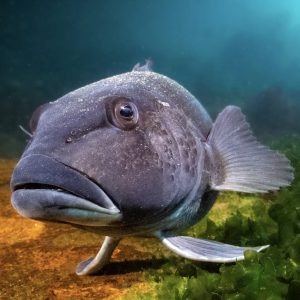
It’s well documented that blue cod numbers in the Marlborough Sounds are still recovering from a size limit change more than a decade ago. While post-release survival will vary from year to year, it’s clear there is no stock benefit to catching and releasing large numbers of undersized fish while searching for one of legal size.
A Better Strategy – Optimum Yield
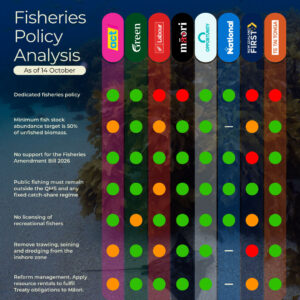
There is a strong case for management strategies that optimise yield by leaving fish in the water to grow larger before capture. The Rescue Fish policy alternative to the Quota Management System seeks to optimise yield by restoring ecosystem function and increasing the abundance of fish. Commercially, larger fish can attract higher returns in both domestic and export markets. Mature fish also tend to be more resilient to short-term environmental change, and are more productive breeders.
Achieving optimum yield would likely require several things together:
- New management settings that encourage more selective fishing techniques;
- Changes in fishing practices across both sectors; and
- Continued investment in public education.
Whether snapper stocks continue to prove resilient will depend on how effectively officials, and the recreational and commercial sectors work to reduce discard mortality. Because every fish that dies on release represents a lost opportunity for export earnings or a family’s dinner. It also jeopardises the value that abundant, healthy fisheries hold for current and future generations of New Zealanders.
How can you help?
Recreational fishers can learn tips and tricks to give released snapper the best chance of survival. Read more here.
More Information
Characterisation of recreational fishing activity for snapper and estimating release mortality for SNA 1. NZ Fisheries Assessment Report 2026/20. Fisheries New Zealand. July 2026.
National Panel Survey of Marine Recreational Fishers 2022-23. NZ Fisheries Assessment Report 2024/51. Fisheries New Zealand. August 2024.
Snapper 1 (SNA 1) TAC Review 2013. New Zealand Sport Fishing Council Record of Process 2013.
Rescue Fish Ika Rauora policy alternative to the Quota Management System. LegaSea-NZSFC. 2018.