Trish Rea FAQs
All FAQs |
Customary Fisheries | Fisheries Management | maximum sustainable yield | QMS | Economics | Fishing | Rescue Fish | Environment | Fishing methods | Recreational Fishing | Fishcare | customary | Kahawai | Reform scam | Baitfish | Scallops | Crayfish | WRC decision | Marlin | Reef fish | Deemed value penalties | Judicial Review | Kill the Bill | Tarakihi | Release mortality | Election | Politics | Bottom trawling
 August 24, 2023
In the last two months we have been deeply involved in the development of seven major submissions responding to fisheries management and policy proposals. The common theme is that excessive catches lead to demands for increased commercial quota. This is not new, but it’s frustrating given the greenwashing rhetoric from officials and industry captains about ... Read more.
 August 9, 2023
News today that the government will allow bottom trawling to continue in large areas of the Hauraki Gulf is being met by strong opposition from an alliance of groups campaigning to get the destructive fishing method out of the marine park. Released today, the decision is part of the Hauraki Gulf Fisheries Plan, and while ... Read more.
 August 8, 2023
Government approval for a plan that supports the ongoing use of destructive fishing methods along New Zealand’s coastline has been labelled an outrage by recreational fishing and environmental interests. “There’s no plan to provide New Zealanders who are already struggling to feed whānau with affordable kaimoana. There’s no plan to support the struggling regional economies ... Read more.
 June 22, 2023
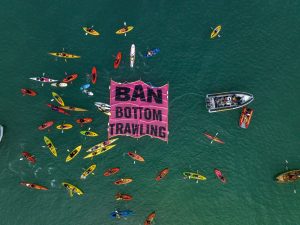
Today, a diverse range of recreational fishing, environmental, law, corporate and business organisations have come together as the Hauraki Gulf Alliance to deliver a petition calling for bottom trawling, scallop dredging, and Danish seining to be banned from within the Hauraki Gulf Marine Park. The petition of 36,589 signatures will be presented to MPs outside ... Read more.
 March 20, 2023
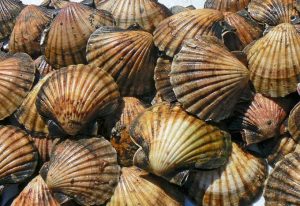
Environmental, iwi and recreational fishing interests in the Hauraki Gulf are celebrating the Minister’s decision to close the Coromandel scallop fishery indefinitely. The Coromandel scallop fishery stretches from Leigh, Rodney in the north to Maketū in the Bay of Plenty. Ngāti Hei led the closure with a rāhui prohibiting the harvest of scallops on the ... Read more.
December 14, 2022
Communities and fishers have welcomed Minister David Parker’s decision to use emergency powers to close the last two commercial scallop beds in New Zealand, in the Hauraki Gulf. The other scallop beds around Northland, Auckland and the Bay of Plenty, were closed earlier this year after a widespread community outcry at the disappearance of the ... Read more.
 October 25, 2022
The Fisheries Amendment Bill passed into law today is welcome news to Kiwi fishers and environmental groups who are committed to restored abundance of our fisheries. “Oceans and Fisheries Minister David Parker is to be thanked for passing legislation that enables monitoring cameras aboard commercial fishing vessels and makes them land their catch instead of ... Read more.
 September 29, 2022
The Government’s decision to drop controversial changes to fisheries legislation is welcome news to fishing and environmental groups concerned about threats to fish sustainability. Oceans and Fisheries Minister David Parker has announced he will progress the part of the Fisheries Amendment Bill that enables monitoring cameras aboard commercial fishing vessels from 1 November. But the ... Read more.
 September 21, 2022
Proposed changes to the laws governing fisheries will remove the current protections for fish sustainability and affect fishing rights for more than 600,000 fishers. Currently, the Minister of Oceans and Fisheries has a statutory duty to manage fish stocks to a level that provides for future generations’ needs, and to consider public input. The Minister ... Read more.
 June 14, 2022
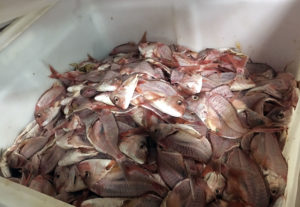
Environmental, fishing and marine conservation groups have joined to fight clauses in the Fisheries Amendment Bill. While seemingly harmless, they in fact smuggle through major changes that aim to remove public and ministerial oversight from future fisheries decisions. Instead it enables bureaucrats working closely with industry players to maximise their commercial fishing returns. The ... Read more.