HG Campaign FAQs
All FAQs |
Customary Fisheries | Fisheries Management | maximum sustainable yield | QMS | Economics | Fishing | Rescue Fish | Environment | Fishing methods | Recreational Fishing | Fishcare | customary | Kahawai | Reform scam | Baitfish | Scallops | Crayfish | WRC decision | Marlin | Reef fish | Deemed value penalties | Judicial Review | Kill the Bill | Tarakihi | Release mortality | Election | Politics | Bottom trawling
 November 20, 2024
False promises and pretences are all that remains of the Hauraki Gulf Marine Protection Bill. Despite the tagline to “restore the Hauraki Gulf”, last-minute amendments will exclude public access to prioritise commercial interests. This legislative process has been hijacked by industrial fishing interests to maintain the status quo. This means no fishing with your family ... Read more.
 November 13, 2024
WARNING – this content may be highly aggravating. We suggest you take a deep breath before we explain why the Hauraki Gulf Marine Protection Bill will not restore the Hauraki Gulf and instead exclude public access in order to prioritise commercial interests. Since the Sea Change process began in 2013, all parties involved agreed that ... Read more.
 October 18, 2024
LegaSea is appalled that Government officials have decided that some commercial fishers will have exclusive access to fish in the proposed High Protected Areas of the Hauraki Gulf Marine Park. If they press ahead this means commercial and Māori customary fishers will be permitted to fish within Kawau Bay and the Noises while your boat ... Read more.
 October 14, 2024
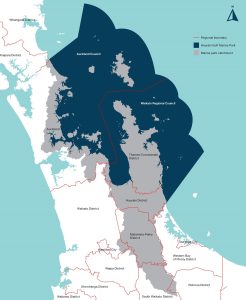
Tripling the area where public fishing is excluded within the Hauraki Gulf Marine Park, while permitting Māori customary and commercial fishing is a gross insult to everyone who has worked hard to conserve fish over the past few decades, according to public fishing interests’ group LegaSea. “The last-minute change to the Hauraki Gulf Marine Protection ... Read more.
 August 28, 2024
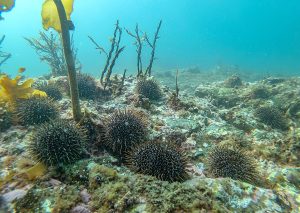
Originally published in Mahurangi Matters, August 2024. Kina seem to be everywhere, but where’s everything else? Where have the big, old grandaddy snapper gone, and the clusters of crayfish that used to hang around? With crayfish and snapper missing in action kina have been left relatively unchecked in the natural environment, resulting in a population ... Read more.
 July 29, 2024
Originally published in Mahurangi Matters, July 2024. Kiwis spend a lot of time along our coastlines, whether it’s gathering shellfish to share with family and friends, casting a line out, or enjoying the easy-going beach lifestyle. You may have also noticed that our marine environment isn’t what it used to be. Fish don’t come inshore ... Read more.
 April 4, 2024
Whether you’re an avid fisherman, diver, or just enjoy the glorious landscape of the Hauraki Gulf, the proposed Hauraki Gulf Marine Protection Bill will determine where and what you can access in our Marine Park. The Environment Select Committee recently concluded public hearings on the Protection Bill and the range of views expressed over two ... Read more.
 April 1, 2024
The pristine waters of the Coromandel could become the last resort for bottom trawling and seining if the Hauraki Gulf Marine Protection Bill gets through Parliament. The Environment Select Committee is currently reviewing the Protection Bill, after holding hearings in Auckland in early March. Successive submitters urged the Committee to consider the wider impacts of ... Read more.
 December 21, 2023
Bottom trawling, marine protected areas (MPAs), and coastal plans have been hot topics for the last months of 2023. While our fisheries experts at the New Zealand Sport Fishing Council were working hard on developing comprehensive submissions in response to the various proposals, our LegaSea team was out there making sure your voice was heard. ... Read more.
 December 20, 2023
As people who use the ocean for fishing, diving and swimming it is important that we show respect back to our waters, recognising that sustainable practices today can contribute to a bountiful harvest tomorrow. Respect comes in many forms such as avoiding damage to the environment caused by destructive fishing methods or harvesting only the ... Read more.