Campaigns FAQs
All FAQs |
Customary Fisheries | Fisheries Management | maximum sustainable yield | QMS | Economics | Fishing | Rescue Fish | Environment | Fishing methods | Recreational Fishing | Fishcare | customary | Kahawai | Reform scam | Baitfish | Scallops | Crayfish | WRC decision | Marlin | Reef fish | Deemed value penalties | Judicial Review | Kill the Bill | Tarakihi | Release mortality | Election | Politics | Bottom trawling
 April 13, 2022
It’s been a hectic month with the recent closing of New Zealand’s last commercially viable scallop fisheries. Minister Parker announced the closure alongside several other conservative decisions for the future management of important species. We’ve been busy analysing these closures and what they actually mean for more fish in the water. As always it’s a mixed ... Read more.
 March 8, 2022
Permits for New Zealand high seas bottom trawlers operating in the South Pacific are due for renewal in April. The New Zealand Government has previously issued permits to six bottom trawling vessels, all owned by companies with recent convictions for illegal fishing – and allowing them to trawl seamounts in international waters. New Zealand vessels ... Read more.
 March 1, 2022
With scallop numbers in the Hauraki Gulf declining, support to protect the last remaining beds continues to grow. Many local organisations showed their support for a rāhui placed on all scallop harvesting by Ngāti Manuhiri down the east coast of North Auckland. The Ngāti Manuhiri rāhui area spans from Bream Tail down to Okura River ... Read more.
 February 20, 2022
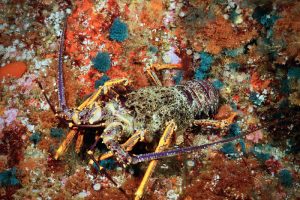
When science and decision-making collide in the world of fisheries management, conservation is most often the loser. Fisheries New Zealand recently proposed a 5 to 15 percent cut to commercial catch limits in the northern crayfish fishery and catch increases in southern areas. LegaSea worked with our New Zealand Sport Fishing Council fisheries team and ... Read more.
 February 9, 2022
When science and decision-making collide in the world of fisheries management, conservation is most often the loser. Fisheries New Zealand recently proposed a 5 to 15 percent cut to commercial catch limits in the northern crayfish fishery and catch increases in southern areas. LegaSea worked with our New Zealand Sport Fishing Council fisheries team and ... Read more.
 February 7, 2022
After nine years of resistance the government is on track to finally get cameras on-board commercial vessels to monitor fishing activity. Installations are expected to start at the end of 2022 and finish in 2024. We’re encouraging the Minister to initiate the camera rollout as soon as possible. We know from previous compliance reports and ... Read more.
 December 17, 2021
Today we’re celebrating one year since the successful launch of the Coromandel scallop restoration programme. On 17 December 2020 representatives from the Coromandel community, iwi and recreational fishing organisations all stood together at Opito Bay to call for protection of our scallop beds from the destructive practice of scallop dredging. The official launch was marked ... Read more.
 November 24, 2021
The most effective way to improve the long term productivity of our marine environment is to remove destructive fishing techniques such as bottom trawling, scallop dredging, Danish and purse seining from inshore waters. We don’t have to look far to see the benefits of removing bulk harvesting seining and bottom contact fishing methods from inshore ... Read more.
 November 23, 2021
A Horizon Research poll published on Friday by the Hauraki Gulf Forum revealed that 84% of those living in the Hauraki Gulf Marine Park vicinity want destructive mobile contact fishing methods banned from the Gulf. This includes bottom trawling, scallop dredging and Danish seining. Only 3% wanted them to remain, with 13% with having no ... Read more.
 November 21, 2021
Tarakihi and bluenose are important target species for people fishing on the east coast of New Zealand, between Northland to Southland. Having them abundant and available is important for our social and cultural wellbeing, with the added bonus that they taste great when eaten fresh with family and friends. Under the Quota Management System (QMS) ... Read more.