Scallops FAQs
All FAQs |
Customary Fisheries | Fisheries Management | maximum sustainable yield | QMS | Economics | Fishing | Rescue Fish | Environment | Fishing methods | Recreational Fishing | Fishcare | customary | Kahawai | Reform scam | Baitfish | Scallops | Crayfish | WRC decision | Marlin | Reef fish | Deemed value penalties | Judicial Review | Kill the Bill | Tarakihi | Release mortality | Election | Politics | Bottom trawling
 August 28, 2026
As Kiwis, many of us derive our wellbeing from fishing or enjoying someone’s catch. Whether that’s a fresh scallop, snapper, or a chunky butterfish. All of it is most welcome on the dinner plate. LegaSea is committed to keeping you updated on what’s happening in the world of fisheries management because we care about how much ... Read more.
 October 30, 2025
This article was originally published in The Adventurer newspaper, October 2025. The collapse and subsequent closure of the Coromandel scallop fishery in 2022 marked the end of the tradition that once defined the start of spring. The September 1st tradition used to include sliding on your snorkel and wetsuit (that fits a bit more snug ... Read more.
 October 29, 2025
This article was originally published in Local Matters. 28 October 2025. It’s hard to believe it’s been three years since we were last able to gather and savour fresh scallops from our own backyard. For many of us, sharing a feed of scallops was woven into our coastal lifestyle, connecting friends and family. Decades of ... Read more.
 October 20, 2025
Locals, business leaders and interest groups unite against destructive fishing methods Lack of action from central government has resulted in a bold move by the Waikato Regional Council (WRC) to restrict commercial fishing in Coromandel waters. Scott Macindoe, President of the New Zealand Sport Fishing Council (NZSFC), says the decision highlights that local communities will ... Read more.
 September 1, 2025
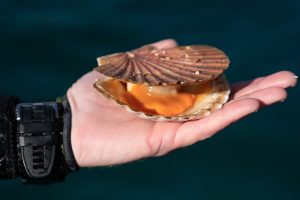
Scallop season once opened on 1 September in Coromandel. Today, the date is a stark reminder of what has been lost. Decades of mismanagement, overallocation, and the destructive use of Victorian box dredges drove the Coromandel scallop fishery to collapse. It was only after sustained pressure from the local community, led by Ngāti Hei, that ... Read more.
 September 1, 2025
Scallop season once opened on 1 September in the Coromandel. Today, the date is a stark reminder of what has been lost. Decades of mismanagement, overallocation, and the destructive use of Victorian box dredges drove the Coromandel scallop fishery to collapse. It was only after sustained pressure from the local community, led by Ngāti Hei, ... Read more.
 June 23, 2025
In the USA June 18 is National Go Fishing Day. We don’t have an equivalent celebration of recreational fishing in New Zealand, but it’s worth considering given that for centuries fishing has contributed to our survival, and our social, economic and cultural wellbeings. Kiwis spend a lot of money and time fishing, and the most ... Read more.
 December 30, 2024
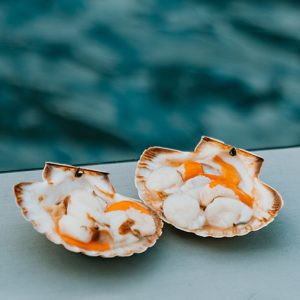
What does a Highly Protected Area and a closed scallop fishery have in common? Both signal that New Zealand’s fisheries management is failing, and you are paying the price for that failure. The consequences of poor management are restrictions on your ability to catch scallops or fish for your family. In our last two articles ... Read more.
November 10, 2024
Be prepared to take action when you hear about Fisheries New Zealand’s latest industry-led decision to drag a dredge across Coromandel scallop beds – ironically to survey how many scallops are alive. These are the same scallop beds that have been indefinitely closed to commercial and public fishing since March 2023. So it’s hard to ... Read more.
 October 11, 2024
Coromandel locals are horrified that Fisheries New Zealand is currently dragging a destructive industrial dredge through the local scallop fishery that has been closed due to depletion since March 2023. “There has been overwhelming community support for the closure of the local Coromandel fishery because scallop numbers were the lowest we’d ever seen. After all ... Read more.