
Article originally published in The Adventurer magazine, August 2026.
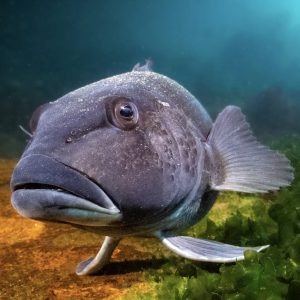
For generations, tarakihi has been a Coromandel staple. It feels like only yesterday we could head out and guarantee a couple of tarakihi in the chilly bin or a fillet or two to go with our Friday night fish & chips.
That certainty is gone. Tarakihi on the east coast is in serious trouble. The most recent stock assessment estimates the population has collapsed to less than 8% of its original biomass. Meaning 92% of the adult population has been stripped from eastern waters.
This could’ve been prevented eight years ago if the then-fisheries Minister had listened to warnings and implemented meaningful catch reductions to restore abundance. Instead, a mild “rebuild” plan was put in place.
Fast forward to 2026, and there has been no rebuild. There are now fewer tarakihi in the water than there were in 2018. Urgent intervention is non-negotiable.
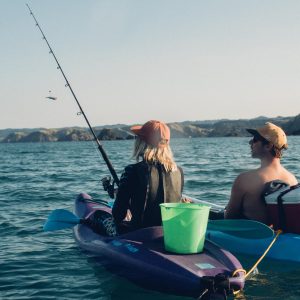
In July, Fisheries NZ proposed significant commercial catch reductions for tarakihi alongside cuts to the daily bag limit from 20 per day to either 10, 5 or 3 nationwide.
Commercial fishers harvest the vast majority of tarakihi taken from our waters. So while we all have a role to play, slashing our bag limit drastically won’t contribute significantly to rebuilding tarakihi numbers.
A complete closure to commercial harvest is the strongest possible response for the east coast, but it’s tricky because tarakihi are caught in the mixed finfish trawl fishery alongside snapper, trevally and gurnard.
Unless trawling is banned outright, more tarakihi will be killed as a consequence of indiscriminate fishing, denying this magnificent species the break it desperately needs.
LegaSea and the New Zealand Sport Fishing Council submitted in support of the most significant catch limit reduction on offer to give tarakihi the best shot at rebuilding within a reasonable timeframe. This would set the commercial catch limit below current bycatch levels, making tarakihi a bycatch-only commercial fishery – no more direct targeting.
The real problem that must be addressed is trawling – 90% of tarakihi landed commercially each year comes from trawlers.
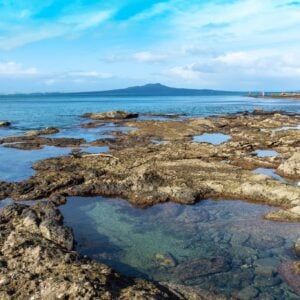
Bottom trawling impacts the availability of small creatures on the seafloor that tarakihi rely on for food and disrupts critical nursery habitats for baby tarakihi.
The answer lies in shifting away from destructive bulk harvest fishing methods towards more selective methods such as longlining or potting. Doing this would protect sensitive nursery habitats and minimise bycatch of tarakihi.
Preventing collapse in the first instance serves everyone better rather than responding to crises and hoping tarakihi populations bounce back.
That’s why in July, LegaSea and the New Zealand Sport Fishing Council rallied MPs on the steps of Parliament, pushing for real change to how our fisheries are managed.
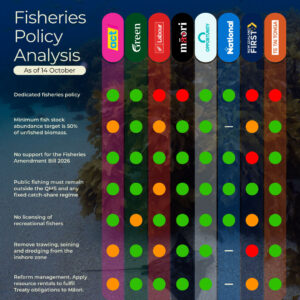
This election year, join us in calling on political parties to commit to transitioning away from bottom trawling and investigate alternatives to the Quota Management System.
Because if we don’t make these necessary changes now, the marine environment and everyday Kiwis will keep paying the price for mismanaged fisheries and the ongoing exploitation of a public resource.