
Article originally published in Fishing in Godzone, October 2026
For the first time, fisheries is an election issue, and it’s easy to see why. The marine environment and fishing matter to millions of New Zealanders and many of us are worried about what we’re seeing out on the water, or no longer seeing.
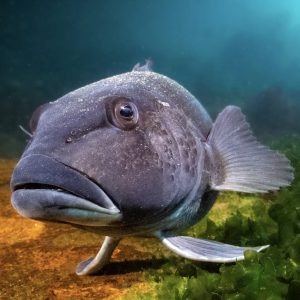
Marlborough’s blue cod and Kaikōura’s crayfish are in trouble. Tarakihi have plummeted nationwide, and when was the last time you hooked a decent bluenose?
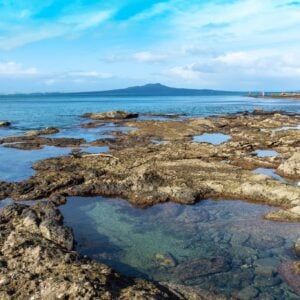
Compared to our grandparents’ era and in our own lifetimes, we’ve witnessed the decline of many of our favourite inshore species. The status quo isn’t working. So how do we change this downward trajectory to ensure there are more fish in the water for our children and mokopuna?
One way is to vote for abundance on 7 November.
Decisions shaping the future of our fisheries are made in Wellington. The Minister for Oceans and Fisheries has the final say on changes to catch limits, fisheries closures, and how our fish, a public resource, are managed.
The Minister holds significant power. And with that comes a clear responsibility. Under the Fisheries Act, the Minister’s duty is to ensure sustainability. And if there’s any doubts, the Minister must make cautious decisions. LegaSea believes the current Minister, Shane Jones, has undermined his statutory responsibilities.
Over three years we’ve seen attempts to commercialise marlin, increased commercial catch limits despite serious sustainability risks and the disgraceful Fisheries Amendment Bill. If it wasn’t for widespread public opposition, the Bill would’ve passed before the election and meant more trawling along our coastline and fewer fish in the water.
Kiwis have had enough. So it’s no surprise that the health of our fisheries and ability to catch a feed are hot on the political agenda this year. This hasn’t happened by chance. It’s happened because the public have stood up and spoken against some of these offensive proposals.
So, how can we change things?
Under coalition arrangements, nothing is guaranteed. Having cross-party support for restoring abundance of fish means there’s more chance of getting a Minister that will deliver abundance.
Last election, only one party had a dedicated fisheries policy. In 2026, it’s different.
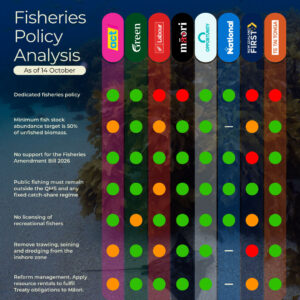
In August, LegaSea sent all the major parties a list of policy statements. We asked them where they stand in terms of banning trawling inshore and reforming the dysfunctional Quota Management System.
We’ve collated their responses into a simple policy table, which we’ll update before the election. Six out of seven parties say they don’t support the current Fisheries Amendment Bill – a big win. The results on other statements are mixed.
LegaSea is non-partisan. We won’t tell you who to vote for, everyone’s priorities are different.
Our role is to give you the latest information so you can make an informed decision. Then you can back the party that aligns with your vision for marine abundance and ability to gather kaimoana.