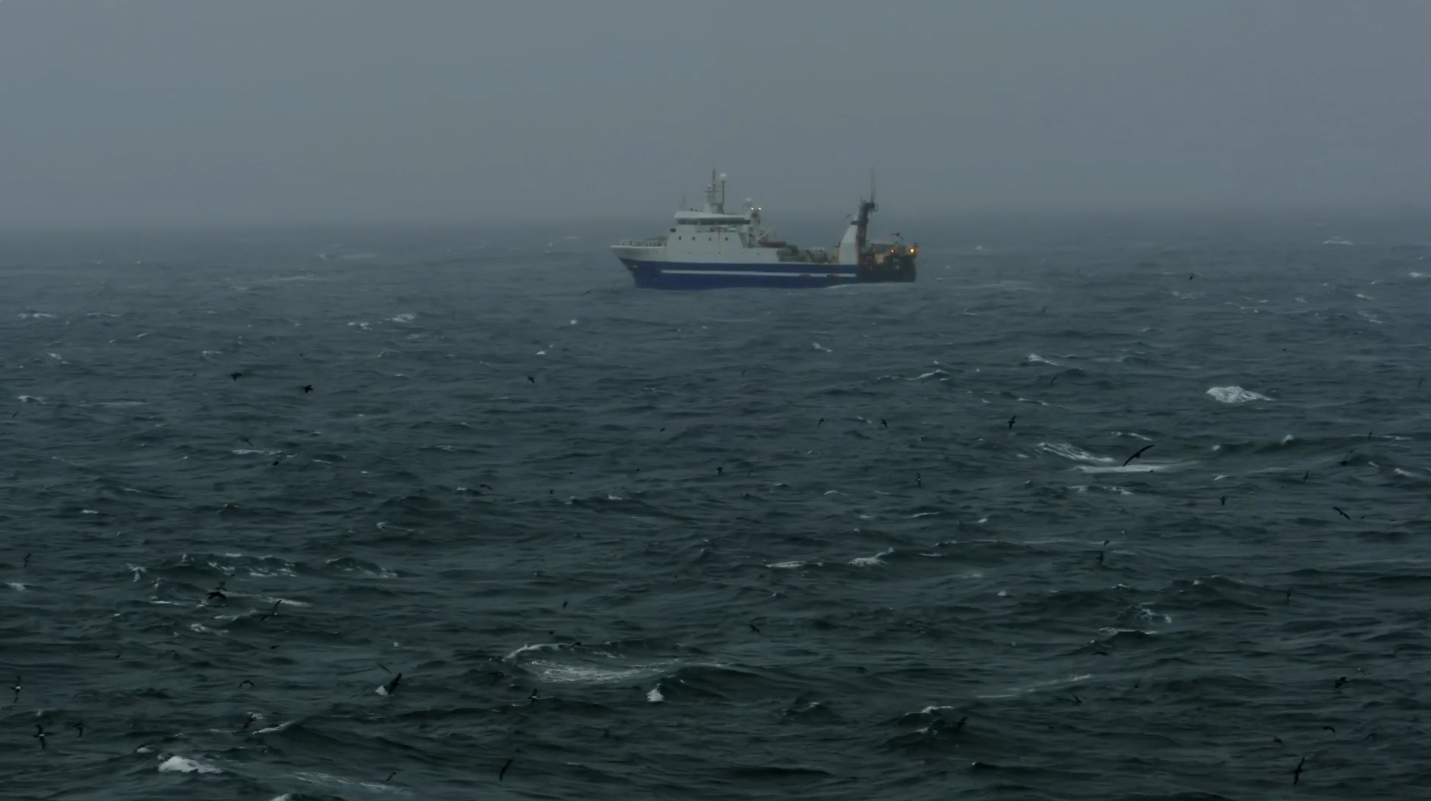

The Quota Management System (QMS) turns 40 this year. Join us as we break down some of the key failures of the QMS and why we think it’s time it was replaced with something more innovative.
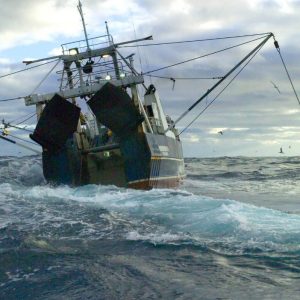
Bottom trawling is so destructive that many countries have banned or phased it out. Yet in clean, green New Zealand, we still use this archaic fishing method.
The scientific evidence is irrefutable. Weighted nets and trawl doors plough the seabed, flattening habitats that can take decades to recover. Trawling kills life on the seafloor that the marine food web depends on. It also hauls up bucket loads of unwanted fish too.
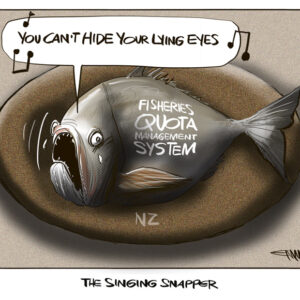
If it’s so bad, then why are we still doing it? Because the Quota Management System (QMS) encourages and rewards such behaviour.
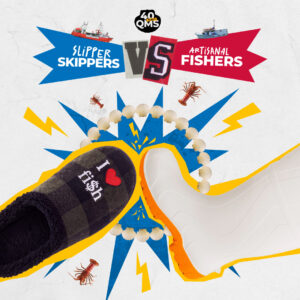
After 40 years of the QMS, private investors now control a valuable public resource: our fish. Today, slipper skippers profit by leasing catching rights to the people actually out on the water fishing. Those fishers are left working to tight margins just to make ends meet. So bulk harvesting methods like trawling become the cheapest way to fill the hold.
Claims that banning bottom trawling will cost jobs and the economy fall short. Jobs for regional, coastal communities come from catching, processing and selling quality fish from a healthy, abundant marine environment. A well-managed transition plan is required to provide a viable pathway to change.
Friday night fish and chips doesn’t need a bottom trawler. We know that alternatives already work in our inshore waters. Leigh Fish has sold premium longlined snapper since the late 1950s. This is maximising value and respecting each fish while having a lower impact.
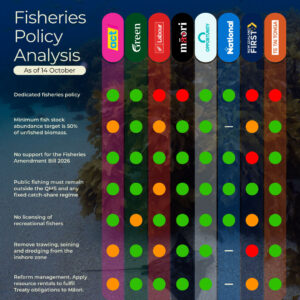
Several political parties have stated they support a transition away from bottom trawling. The missing piece is addressing the system responsible. While the QMS remains, trawling stays entrenched.
New Zealand needs a system focused on restoring abundance, one that backs fishers using selective methods and innovation to lighten their environmental footprint.
A thriving coastal marine environment and commercial fishing can co-exist. We just need an alternative system to enable change. We’re not saying no to fishing. We’re saying yes to a better way.
Debunking bottom trawling – Frequently Asked Questions:
Q: Are there alternative fishing methods to bottom trawling in our coastal fisheries?
A: Yes. Alternatives to trawling include longlining, trapping and spearfishing, as they are more selective and less damaging to the marine environment. While these methods may be more time-consuming, they generally deliver better-quality fish, which ought to attract a higher-value return.
Q: Will transitioning away from bottom trawling in our coastal fisheries make fish more expensive?
A: Unlikely. The capture method only has a small influence on the retail price of fish. The majority of the retail sale price is influenced and captured by the quota owner, who then leases out the catch entitlement to fishers on the water. Those fishers make relatively low returns yet have higher costs in fuel, crew, bait and ice. For example, the quota owner may pay a fisher $4 per kilo for landed snapper that retails for over $50 per kilo.
Q: Will thousands of Kiwis lose their jobs if we transition away from bottom trawling?
A: Not if the transition is done well. A well-designed transition plan would support commercial fishers to change their fishing practices to more selective methods. Some jobs may disappear however, the goal is to revitalise small-scale fishing operations in the regions so more jobs will be available to families and coastal communities. A thriving inshore fleet also creates business for processors, marine suppliers, transport operators and local shops, strengthening regional communities.