
This week, LegaSea’s celebrating the fishers, restaurants, and chippies across the country who are trying to do the right thing. That is catching or sourcing local fish harvested using selective fishing methods.
Graze in Wellington sees value in supporting those who look after our oceans, sourcing only local seafood that has been selectively harvested.
In Auckland, Takapuna Beach Cafe’s Fish & Chip Shop sources most of its fish from local long-liners and sells species often underutilised. Finfish Butchery and Seafood in Orewa has even taken tarakihi off the menu after recent research showed east coast populations have been seriously overfished.
At Kingi, downtown Auckland, the back of their menu tells you who caught your fish and what selective fishing method they used. This kind of transparency is rare.
For most retailers and diners, finding out where their fish came from and how it was caught is difficult. These restaurants source their kaimoana directly from the people out on the water doing the mahi while minimising their impact on the marine environment.
Troy and Claire from Tora Collective are a great example. They catch kaimoana selectively and to order. Each week, their customers get an email detailing when they’re heading out and what they’re aiming to bring home. Epic.
These businesses are meeting increasing demand while their customers are happily paying for their dining experience.
Kiwis increasingly want fish caught in ways that do less harm to the ocean, and some retailers and fishers are already meeting that demand. The problem is that there simply isn’t enough local, line-caught or low-impact fish available.
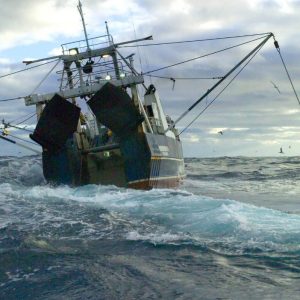
That’s because selective fishing methods rely on plenty of fish in the water. When stocks are run down, bulk-harvesting fishing methods can still sweep up what’s left, while a longliner struggles to fill its bins.
It’s a vicious cycle. The fewer fish there are in the water, bulk-harvesting is more economical and the harder our fish stocks are hit.
Rebuilding abundance breaks that cycle. More fish in the water makes small-scale, selective fishing viable. That means more businesses like these can thrive.
This summer, support those who fish selectively and the retailers doing their best to look after our oceans and our bellies.