
Article originally published in Mahurangi Matters, June 2026
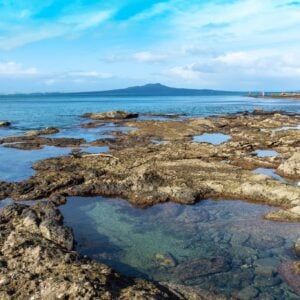
Rockpools are being stripped bare. Our intertidal coastline is under growing pressure, and we can no longer ignore the damage. Local communities, including Whangapāroa, have genuine concerns about the ongoing depletion of rocky shore species such as limpets, cat’s eyes, whelks, and periwinkles.
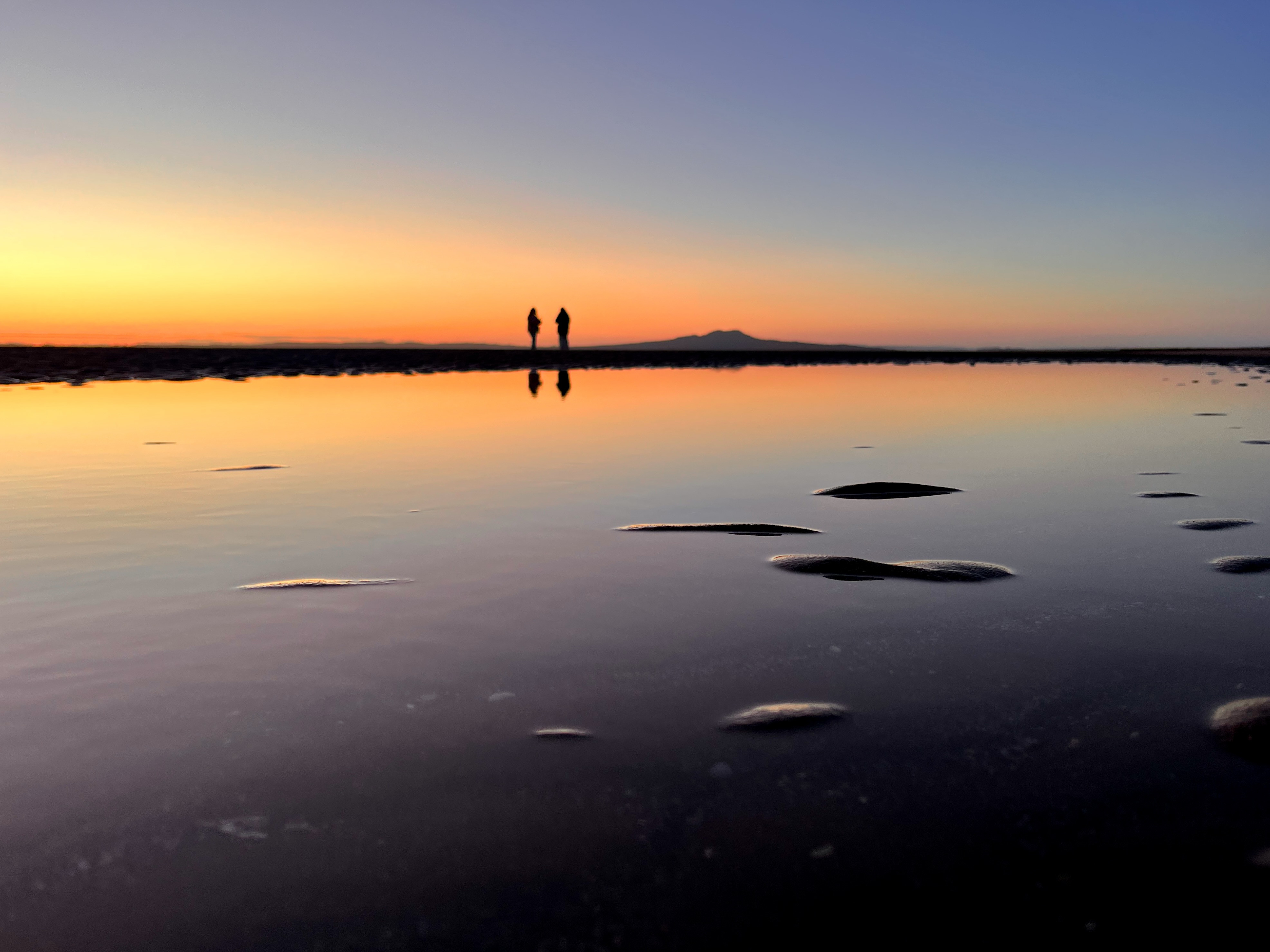
It’s not too late to restore life back to our intertidal zone which includes rockpools and reefs on our coastline. We want future generations to enjoy the wonders of a coastline teeming with abundance.
Fisheries NZ is proposing major new restrictions on recreational shellfish and invertebrate gathering along the Auckland and Coromandel coastline – from Te Arai Point to Waihi Beach.
Species of interest include crabs, cockles, octopus and pāua.
The proposals range in intensity, from reduced recreational bag limits for shellfish and invertebrates through to partial and full closures of intertidal harvesting areas.
These options aren’t set in stone. Fisheries NZ is encouraging you to have your say on the future management of our intertidal area by 12 June (SUBMISSIONS HAVE NOW CLOSED).
Excessive shellfish harvesting at accessible areas during low tide is a serious issue, but it’s not new.
LegaSea and the New Zealand Sport Fishing Council have consistently raised concerns about the declining health of the Hauraki Gulf’s intertidal ecosystems and called for stronger protections for these vulnerable coastal areas.
For decades, warning signs have been ignored. What we see today is the result of years of cumulative pressure and neglect.
We welcome Fisheries NZ’s proposals to finally address depletion but we have serious concerns about the broad nature of the proposals.
Fisheries NZ has proposed that the boundary of the closure would extend to 200 metres offshore. That would include rock pools and other accessible low-lying coastal areas.
This extensive closure may help ease pressure along our local beaches. However west coast beaches are a different environment, and some intertidal species are not currently subject to the same level of pressure seen elsewhere. A blanket restriction on the harvest of all intertidal organisms on the west coast may be unnecessary.
There’s no clear rationale for Fisheries NZ’s proposal to prohibit the recreational harvest of rock lobster and squid along Auckland’s east and west coast. Squid aren’t known to be under any harvesting pressure, and rock lobster management is already being addressed through separate in-depth fisheries processes and tools.
Poor water quality, land-based run-off, and warming temperatures are also contributing to the decline in abundance. If we want our rockpools to recover and teem with abundance again, then land-based action is needed now to protect vulnerable intertidal species in low-tide areas.
Given FNZ’s limited resources, any closure must be targeted specifically to low-tide coastal areas and marine life under pressure. And, any closure must be regularly monitored and reviewed using the best available data to ensure it’s delivering meaningful improvements to restoring abundance.
The decisions made now will impact the future abundance of our coastline for generations to come.
More Information
Read LegaSea and New Zealand Sport Fishing Council’s joint submission here.