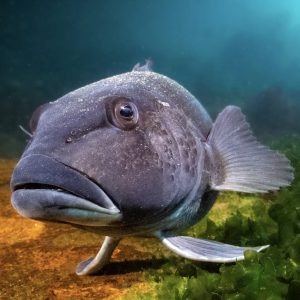

LegaSea is stunned that Shane Jones has not closed the east coast to tarakihi fishing despite the stock collapse. Instead, the Minister has cut east coast commercial catch limits by just 20 percent, and west coast limits by 55 percent. And halved the amateur daily bag limit nationwide.
The cuts to commercial catch limits are not enough to enable tarakihi to rebuild to acceptable abundance levels within the foreseeable future. And there are already rumblings that this decision may be heading back to court.
Halving the recreational daily bag limit will contribute little to the rebuild because of the lack of fish. What’s more, these cuts will make it even harder for families to justify the expense of a day’s boating.
Since the 2017 “rebuild plan” was implemented, mature tarakihi abundance on the east coast has collapsed from around 18 percent to less than 8 percent of their estimated original level. It has been below the official hard limit, the point where closure is meant to be considered, since the late 2010s.
On the west coast, the prevalence of mature tarakihi is under 30 percent of their estimated unfished level. Fisheries NZ call them depleted and overfished.
In our view, the Minister for Oceans and Fisheries has not fulfilled his statutory obligation to ensure sustainability of tarakihi.
Minister Jones is not putting New Zealanders first.
The loss of tarakihi from our waters means another Kiwi fish and chip shop favourite may soon be a memory.
The Minister has trumpeted the commercial catch reductions as a balance between sustainability and utilisation. In reality, the public are being punished for decades of overfishing and a ‘hands off’ approach by officials.
In July we called on the Minister to close the east coast tarakihi fishery, or reduce commercial catch limits by 78 percent. Industrial interests argued for a 20 percent reduction – the Minister has bowed to their demands.
Decision-making over time that only complies with commercial demands, even when the evidence requires a different decision, is classed as regulatory capture. Not a new phenomena, but a precarious process that may well be challenged by parties interested in restoring tarakihi to its functional place in the marine ecosystem.