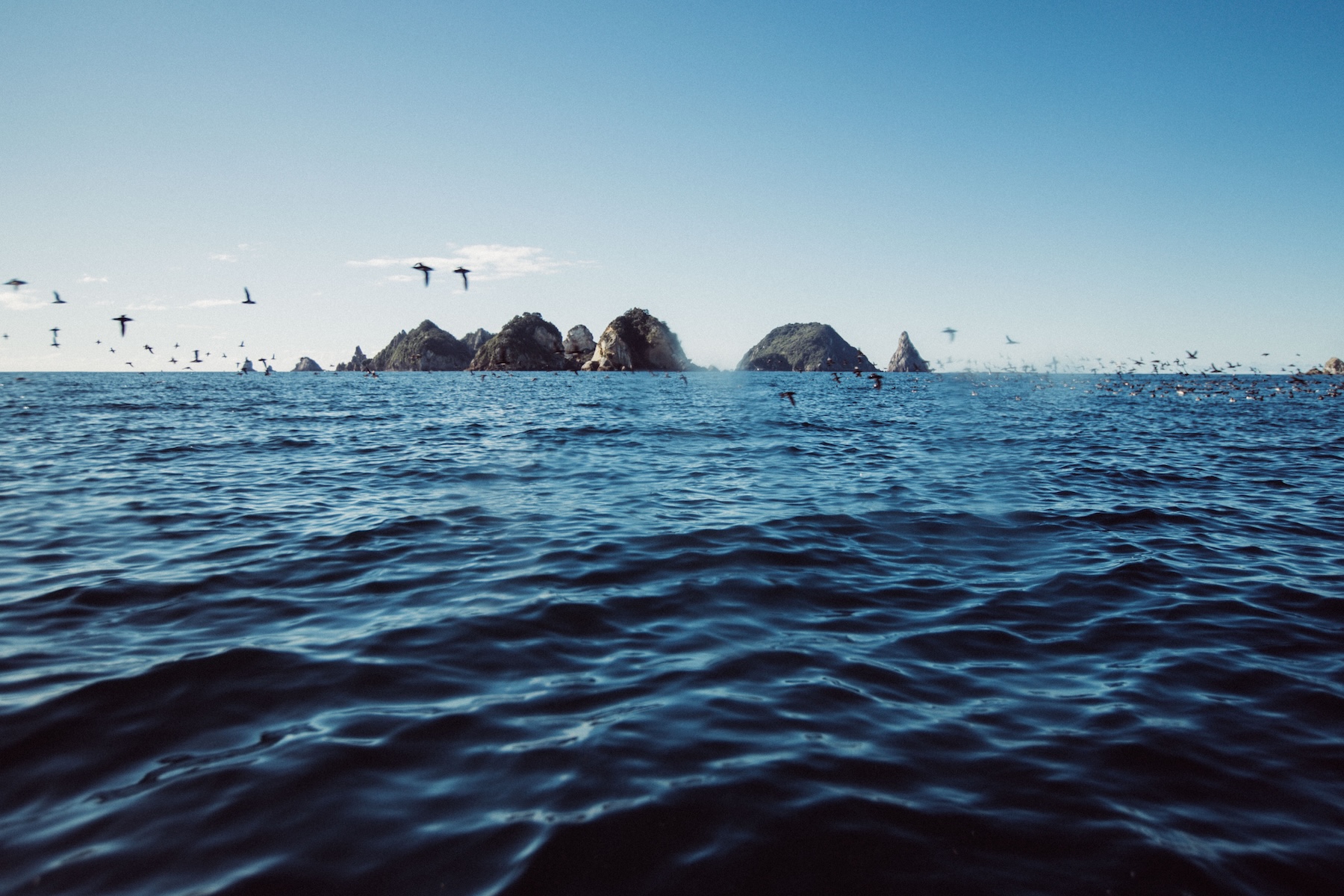
Hands off my bottom! FAQs
All FAQs |
Customary Fisheries | Fisheries Management | maximum sustainable yield | QMS | Economics | Fishing | Rescue Fish | Environment | Fishing methods | Recreational Fishing | Fishcare | customary | Kahawai | Reform scam | Baitfish | Scallops | Crayfish | WRC decision | Marlin | Reef fish | Deemed value penalties | Judicial Review | Kill the Bill | Tarakihi | Release mortality | Election | Politics | Bottom trawling
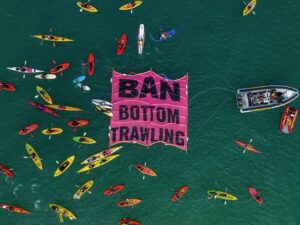 February 13, 2026
Article originally published in Mahurangi Matters, January 2026. It’s no secret that the Hauraki Gulf is a unique place. So special, in fact, that more than 25 years ago it was given the status of New Zealand’s first Marine Park and acquired its own protective legislation. The legislation is clear. The purpose of the Hauraki ... Read more.
 November 13, 2024
WARNING – this content may be highly aggravating. We suggest you take a deep breath before we explain why the Hauraki Gulf Marine Protection Bill will not restore the Hauraki Gulf and instead exclude public access in order to prioritise commercial interests. Since the Sea Change process began in 2013, all parties involved agreed that ... Read more.
 November 10, 2024
Be prepared to take action when you hear about Fisheries New Zealand’s latest industry-led decision to drag a dredge across Coromandel scallop beds – ironically to survey how many scallops are alive. These are the same scallop beds that have been indefinitely closed to commercial and public fishing since March 2023. So it’s hard to ... Read more.
 April 1, 2024
The pristine waters of the Coromandel could become the last resort for bottom trawling and seining if the Hauraki Gulf Marine Protection Bill gets through Parliament. The Environment Select Committee is currently reviewing the Protection Bill, after holding hearings in Auckland in early March. Successive submitters urged the Committee to consider the wider impacts of ... Read more.
 December 21, 2023
Bottom trawling, marine protected areas (MPAs), and coastal plans have been hot topics for the last months of 2023. While our fisheries experts at the New Zealand Sport Fishing Council were working hard on developing comprehensive submissions in response to the various proposals, our LegaSea team was out there making sure your voice was heard. ... Read more.
 December 15, 2023
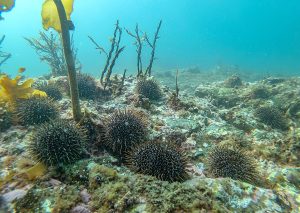
Crayfish are considered functionally extinct in the Hauraki Gulf, our scallop fishery is closed, and kina barrens are more common. These are all signs that Fisheries New Zealand’s quota management system is not working. We need to restore marine biodiversity. But, increased abundance and diversity of sea life doesn’t happen overnight. It surely doesn’t happen ... Read more.
 November 22, 2023
The goal of marine protection is to help enhance and protect ecosystems for future generations. Our children’s children deserve to enjoy an abundant and diverse Hauraki Gulf. Marine reserves were initially created for scientific purposes, not as a fisheries management tool. So, how can we expect them to solve depleting abundance and declining biodiversity? Effective ... Read more.
 November 19, 2023
A battle is being fought between prioritising the health of the Hauraki Gulf Marine Park for future generations and degrading the seafloor for the short term gain of commercial interests. Fisheries New Zealand (FNZ) originally planned to close public consultation on the proposed ‘trawl corridors’ on 6 November. Four options were presented, all allowing for ... Read more.
 October 27, 2023
The Hauraki Gulf is more degraded now than when it was first established over 20 years ago. Over a century of damage caused by bottom trawling, followed by Danish seining and dredging, can be addressed by you saying no to this ongoing destruction. Most of us agree that a healthy marine environment is good for ... Read more.
 October 1, 2023
In good faith over the past decade we have engaged in discussions about improving the Hauraki Gulf Marine Park environment. We’ve advocated for a ban on bottom trawling, dredging and seining. The Park also needs to be designated as a separate fisheries management area so fish populations can be restored to more natural levels. After ... Read more.