Tarakihi FAQs
All FAQs |
Customary Fisheries | Fisheries Management | maximum sustainable yield | QMS | Economics | Fishing | Rescue Fish | Environment | Fishing methods | Recreational Fishing | Fishcare | customary | Kahawai | Reform scam | Baitfish | Scallops | Crayfish | WRC decision | Marlin | Reef fish | Deemed value penalties | Judicial Review | Kill the Bill | Tarakihi | Release mortality | Election | Politics | Bottom trawling
 November 10, 2019
In the same week that our Prime Minister is explaining the Maori concept of kaitiakitanga, guardianship, to the United Nations her fisheries Minister is at home setting catch limits way too high for some fish stocks. Stuart Nash announced his decisions for 20 fish stocks four days before they were due to come into effect ... Read more.
 November 6, 2019
LegaSea is clear that decisive action needs to be taken now to protect our fish stocks from collapse. That means putting the handbrake on catch increases until we know more about how many fish are in the water. No such restraint is evidenced in the latest management proposals from Fisheries New Zealand. FNZ has just ... Read more.
 November 5, 2019
There are a lot of things people did in the 1900s that are not acceptable today. One of those unacceptable behaviours is bottom trawling in inshore waters. Science shows us that bottom trawling catches fish indiscriminately and it impacts on the seabed, killing the three dimensional structure that supports essential organisms. Those organisms attract small ... Read more.
 October 17, 2019
Seventy percent of New Zealanders want the commercial fishing quota for tarakihi cut dramatically to help the country’s fish and chips favourite to recover, a new survey has revealed. The survey conducted by Horizon Research for LegaSea, a not-for-profit organisation raising awareness of issues affecting the marine environment, found 70% want a cut of between ... Read more.
 September 13, 2019
Decisive action needs to be taken to protect our fish stocks from collapse. That means putting the handbrake on catch increases until we know more about how many fish are in the water. No such restraint is evidenced in the latest management proposals from Fisheries New Zealand for several South Island stocks including gurnard, rig ... Read more.
 August 28, 2019
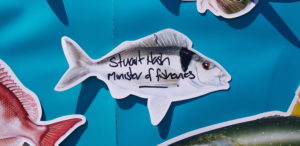
LegaSea recently worked with the New Zealand Sport Fishing Council’s fisheries management team and the New Zealand Angling & Casting Association to develop and submit eight responses to proposals from Fisheries New Zealand. These submission are briefly summarised below. Tarakihi East coast North and South Islands. Minister’s decision – decrease the Total Allowable Commercial Catch ... Read more.
 August 22, 2019
Tarakihi are a popular table fish for good reason. They have nice flaky, white flesh which makes them suitable for a variety of dishes when eaten fresh. Sadly, good catches are becoming few and far between and that can be put down to the poor state of east coast tarakihi stocks. This is a concern ... Read more.
 July 24, 2019
Fisheries New Zealand has released management proposals that will affect 13 inshore finfish and shellfish stocks, and seven deepwater stocks. If changes are approved, they will apply from October this year. FNZ information is available online. Changes to the reporting regime for charter boat operators are also proposed. Since 2010 charter vessels have been required ... Read more.
 July 19, 2019
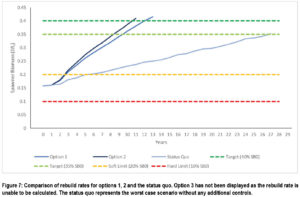
Tarakihi management is under review and we need you to get stuck in and support the Minister to make a precautionary decision aimed at rebuilding depleted stocks on the east coast between Otago and Northland. Last year over 9000 of us signed LegaSea’s Time Out for Tarakihi petition calling for the Minister to cut commercial ... Read more.
 June 15, 2019
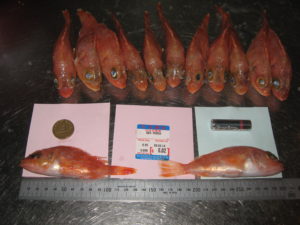
Allowing commercial fishers to land fish of any size is not good fishers management. That was the response from recreational fishers when Fisheries New Zealand suggested removing the minimum size limits for commercially caught fish such as snapper, tarakihi, trevally and flounder. In the Bay of Plenty some of these species are well below sustainable ... Read more.