Conservation FAQs
All FAQs |
Customary Fisheries | Fisheries Management | maximum sustainable yield | QMS | Economics | Fishing | Rescue Fish | Environment | Fishing methods | Recreational Fishing | Fishcare | customary | Kahawai | Reform scam | Baitfish | Scallops | Crayfish | WRC decision | Marlin | Reef fish | Deemed value penalties | Judicial Review | Kill the Bill | Tarakihi | Release mortality | Election | Politics | Bottom trawling
 August 26, 2026
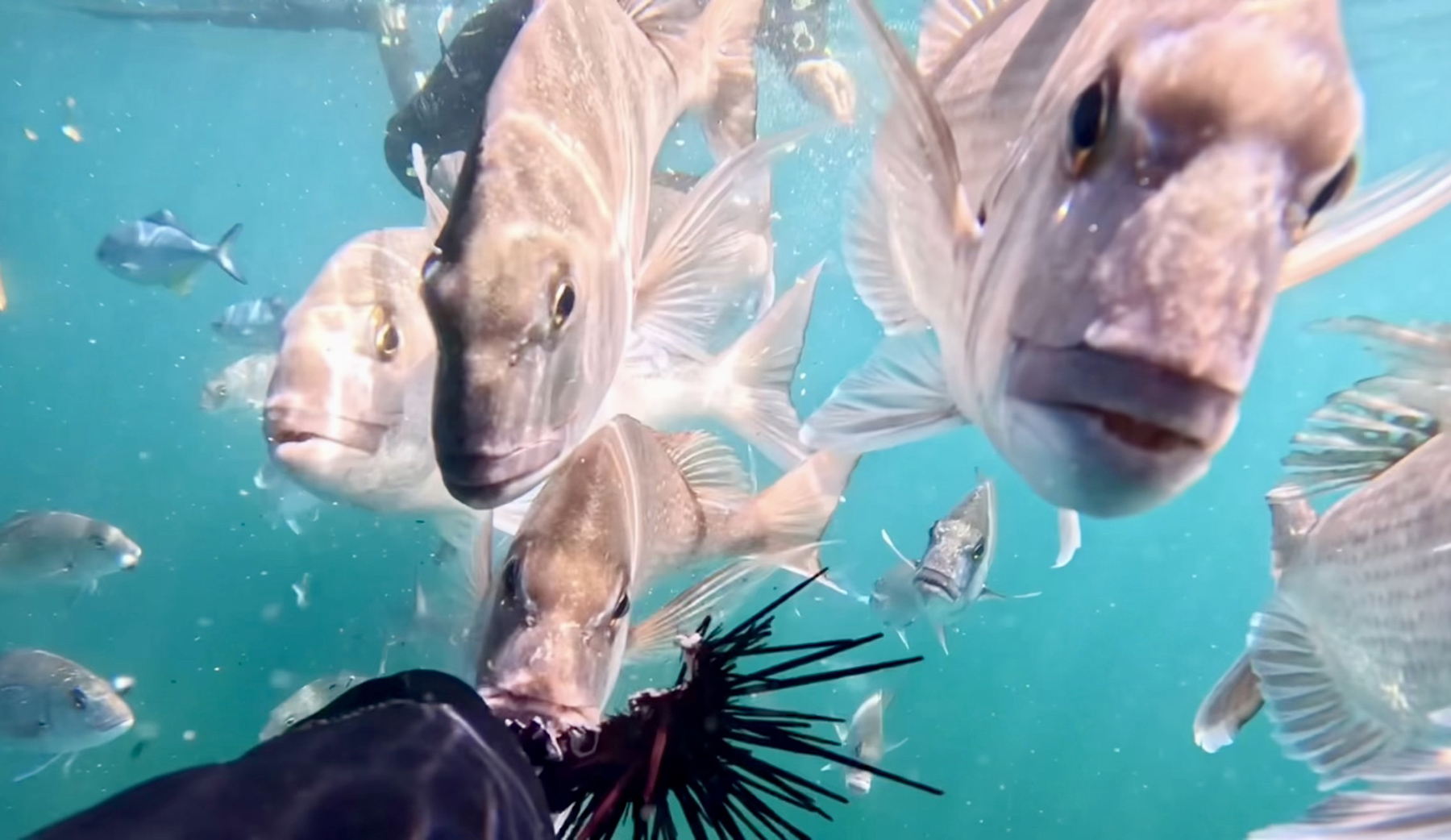
A recent report estimating that around 250 tonnes of snapper die annually when discarded by recreational fishers in northern waters has renewed calls for improved monitoring of recreational catch. Fisheries New Zealand (FNZ) published a report estimating release mortality due to recreational fishing in July 2026. A large proportion of released-fish mortality in the report ... Read more.
 December 19, 2025
Article originally published in Fishing in Godzone magazine, December 2025. It’s fair to say that a good percentage of Kiwi fishers are obsessed with marlin. This magnificent species has long been part of our coastal identity. So much so it’s hard to miss the marlin emblems displayed on logos, T-shirts and signs across Northland, Coromandel ... Read more.
 October 18, 2024
LegaSea is appalled that Government officials have decided that some commercial fishers will have exclusive access to fish in the proposed High Protected Areas of the Hauraki Gulf Marine Park. If they press ahead this means commercial and Māori customary fishers will be permitted to fish within Kawau Bay and the Noises while your boat ... Read more.
 October 14, 2024
Tripling the area where public fishing is excluded within the Hauraki Gulf Marine Park, while permitting Māori customary and commercial fishing is a gross insult to everyone who has worked hard to conserve fish over the past few decades, according to public fishing interests’ group LegaSea. “The last-minute change to the Hauraki Gulf Marine Protection ... Read more.
 December 20, 2023
As people who use the ocean for fishing, diving and swimming it is important that we show respect back to our waters, recognising that sustainable practices today can contribute to a bountiful harvest tomorrow. Respect comes in many forms such as avoiding damage to the environment caused by destructive fishing methods or harvesting only the ... Read more.
 November 28, 2023
We need to stop killing so much sea life. What does a seafloor look like after decades of bottom trawling? It resembles a muddy, barren landscape unable to support the rich and diverse marine life it once harboured. So fish must go elsewhere to find food. But what if there is nowhere else to find ... Read more.
 November 22, 2023
People are a vital part of the marine ecosystem. We have the ability to influence changes in both positive and negative ways. Conventional marine protection separates us from the environment, creating a disconnect between people and conservation efforts. In contrast, traditional techniques acknowledge the power that comes with engaging communities and believe people are a ... Read more.
 November 22, 2023
The goal of marine protection is to help enhance and protect ecosystems for future generations. Our children’s children deserve to enjoy an abundant and diverse Hauraki Gulf. Marine reserves were initially created for scientific purposes, not as a fisheries management tool. So, how can we expect them to solve depleting abundance and declining biodiversity? Effective ... Read more.
 November 21, 2023
An increase in extreme weather events, land run-off, and ineffective fisheries management means we need to embrace a variety of tools to restore our inshore marine environment. This summer you may come across a rāhui at your favourite beach or fishing destination. It’s important that you respect the rāhui because it has been put in ... Read more.
 November 13, 2023
It’s staggering to realise that the Hauraki Gulf Marine Park was established in 2000 to protect this maritime jewel for the benefit of the community, yet 23 years later it has become more degraded. The scallop fishery is closed, the crayfish population is described as functionally extinct, the invasive Caulerpa seaweed is spreading, and mushy ... Read more.