Bottom trawling FAQs
All FAQs |
Customary Fisheries | Fisheries Management | maximum sustainable yield | QMS | Economics | Fishing | Rescue Fish | Environment | Fishing methods | Recreational Fishing | Fishcare | customary | Kahawai | Reform scam | Baitfish | Scallops | Crayfish | WRC decision | Marlin | Reef fish | Deemed value penalties | Judicial Review | Kill the Bill | Tarakihi | Release mortality | Election | Politics | Bottom trawling
 June 23, 2025
In 1901, the New Zealand Times published a warning about trawling in the Hauraki Gulf. It read: “Trawling is working fearful havoc on the feeding beds and spawning grounds on which we depend for our future supply…” That was 124 years ago. Trawling is the industrial dragging of large, weighted nets across the seafloor to ... Read more.
 June 19, 2025
“Trawling and dredging in the Hauraki Gulf is fine because it’s always been mud.” – Some guy on Facebook. It’s a comment we’ve heard often as a method of deflection from those who – you guessed it – trawl. The Hauraki Gulf was once a thriving, living ecosystem, home to vast beds of green-lipped mussels ... Read more.
 July 29, 2024
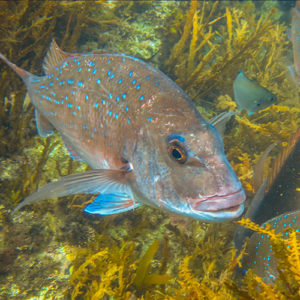
First published in The Adventurer, July 2024. Snapper have been likened to zombies, our scallop fishery has collapsed and exploding kina populations are leaving little habitat for other life on coastal reefs There are a myriad of issues contributing to these worrying phenomena and officials are blatantly ignoring most of them. A common factor in ... Read more.
 May 30, 2024
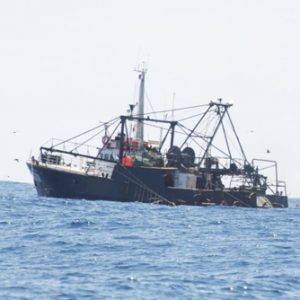
Originally published in The Adventurer, May 2024. The soothing sounds of squawking seagulls and crashing waves are being drowned out by the roar of bottom trawlers along the Coromandel and Bay of Plenty coastline. This is where trawlers have sadly become a common sight to see from the comfort of your own beach. They often ... Read more.
 December 15, 2023
Crayfish are considered functionally extinct in the Hauraki Gulf, our scallop fishery is closed, and kina barrens are more common. These are all signs that Fisheries New Zealand’s quota management system is not working. We need to restore marine biodiversity. But, increased abundance and diversity of sea life doesn’t happen overnight. It surely doesn’t happen ... Read more.
 November 28, 2023
We need to stop killing so much sea life. What does a seafloor look like after decades of bottom trawling? It resembles a muddy, barren landscape unable to support the rich and diverse marine life it once harboured. So fish must go elsewhere to find food. But what if there is nowhere else to find ... Read more.
 November 22, 2023
The goal of marine protection is to help enhance and protect ecosystems for future generations. Our children’s children deserve to enjoy an abundant and diverse Hauraki Gulf. Marine reserves were initially created for scientific purposes, not as a fisheries management tool. So, how can we expect them to solve depleting abundance and declining biodiversity? Effective ... Read more.
 November 19, 2023
A battle is being fought between prioritising the health of the Hauraki Gulf Marine Park for future generations and degrading the seafloor for the short term gain of commercial interests. Fisheries New Zealand (FNZ) originally planned to close public consultation on the proposed ‘trawl corridors’ on 6 November. Four options were presented, all allowing for ... Read more.
 November 13, 2023
It’s staggering to realise that the Hauraki Gulf Marine Park was established in 2000 to protect this maritime jewel for the benefit of the community, yet 23 years later it has become more degraded. The scallop fishery is closed, the crayfish population is described as functionally extinct, the invasive Caulerpa seaweed is spreading, and mushy ... Read more.
 October 27, 2023
The Hauraki Gulf is more degraded now than when it was first established over 20 years ago. Over a century of damage caused by bottom trawling, followed by Danish seining and dredging, can be addressed by you saying no to this ongoing destruction. Most of us agree that a healthy marine environment is good for ... Read more.